U.S. military actions in response to recent ship attacks near the Strait of Hormuz, coupled with new oil-related sanctions on Iran, have escalated global tensions with potential economic ramifications that could extend to communities like Clemson.
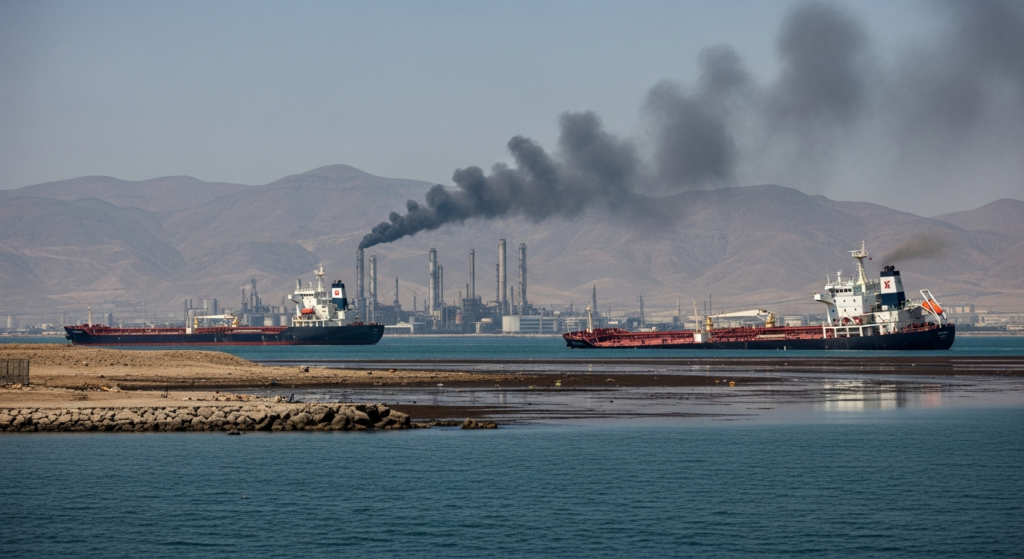
International and U.S. reporting has detailed these U.S. strikes, which are directly linked to the attacks on commercial vessels operating in the critical Strait of Hormuz waterway. This strategic choke point is vital for global oil shipments, and disruptions there typically lead to heightened shipping risks and increased costs for maritime transport worldwide. The imposition of new sanctions on Iran, specifically targeting its oil sector, further complicates the global energy landscape, potentially influencing supply and demand dynamics.
For residents and businesses in Clemson, these developments could manifest in several ways, primarily through fluctuations in fuel prices. Global oil markets are highly sensitive to geopolitical instability, particularly when it involves major oil-producing regions and critical shipping lanes. Any sustained increase in the price of crude oil due to heightened tensions or reduced supply can quickly translate into higher gasoline and diesel prices at the pump. This would directly affect daily commutes for individuals working at major employers such as Clemson University or the School District of Pickens County, and could increase operational costs for local businesses, including those in retail like Ingles Markets or manufacturing operations in Pickens County like BASF Corporation.
Beyond fuel, the broader implications for global supply chains are a significant concern. Increased shipping risks and insurance premiums for vessels transiting the Strait of Hormuz can lead to higher costs for importing goods. These elevated expenses are often passed down to consumers and businesses, potentially affecting the availability and pricing of a wide array of products in Clemson. Local retailers, construction companies, and even institutions like Clemson University, which rely on a complex network of suppliers for everything from laboratory equipment to cafeteria provisions, could experience these ripple effects.
Furthermore, while Clemson does not host a large military installation, families with ties to the armed forces reside throughout the Upstate region, including within the Clemson community. Heightened global tensions and military engagements can bring significant anxiety and uncertainty for these families, who are an integral part of the local social fabric. The potential for increased deployments or extended service periods can have profound personal and community impacts.
Local officials and business leaders in Clemson are monitoring the situation, though specific, verified local impacts are still developing. The interconnectedness of the global economy means that events far from South Carolina can still have tangible effects on daily life and commerce in the city.
### Why it matters in Clemson
The ongoing international developments near the Strait of Hormuz carry potential economic consequences that resonate directly within Clemson. The city, home to Clemson University and a hub for regional commerce, relies on stable global markets for everything from consumer goods to the operational supplies for its largest employers. Fluctuations in fuel prices, driven by global oil market instability, can impact the budgets of thousands of residents commuting to work or school, and affect the bottom line for local businesses like those in Patrick Square Town Center. Disruptions to international shipping lanes could also influence the supply chains of major institutions and employers, including Clemson University itself, potentially leading to increased costs for goods and services. Understanding these global dynamics is crucial for anticipating and adapting to potential economic shifts within the Clemson community.