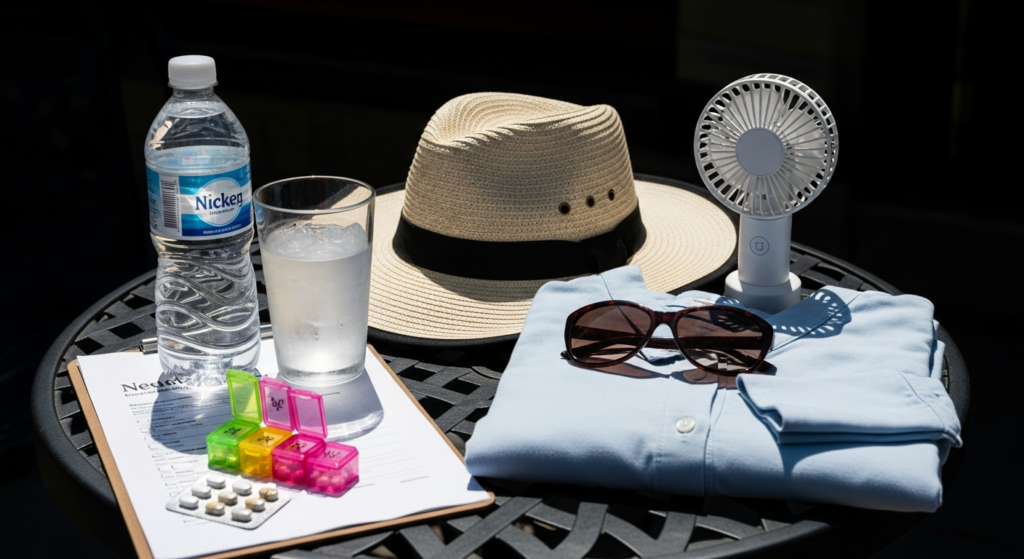
As summer progresses, residents of Clemson and the surrounding areas are reminded to prioritize heat safety and carefully manage medications, particularly when engaging in outdoor activities or conducting daily errands. The combination of high temperatures and specific health considerations makes awareness of hydration, symptom recognition, and proactive planning crucial for maintaining well-being.
Health authorities underscore that while general guidelines are helpful, individuals should always consult qualified health providers for personal medical questions. This guidance aims to raise general awareness regarding the timely concerns of heat and medication safety during the warmer months in Clemson.
Understanding Heat-Related Risks in Clemson's Summer Environment
The summer climate in Clemson often brings prolonged periods of heat and humidity, which can elevate the risk of heat-related illnesses. These conditions pose a particular challenge for anyone spending extended time outdoors, whether for work, recreation, or daily routines. Activities around popular local spots such as Lake Hartwell, Lake Keowee, and the Seneca River, or at parks like W.C. Nettles Park and the South Carolina Botanical Garden, necessitate a heightened awareness of heat exposure.
Symptoms of heat exhaustion can include heavy sweating, cold, clammy skin, a fast, weak pulse, nausea or vomiting, muscle cramps, tiredness, dizziness, and headache. If these symptoms occur, individuals should move to a cooler place, loosen clothing, sip water, and apply cool, wet cloths. Untreated heat exhaustion can progress to heat stroke, a medical emergency characterized by a body temperature of 103°F or higher, hot, red, dry or damp skin, a fast, strong pulse, headache, dizziness, nausea, confusion, and unconsciousness. In such cases, immediate medical attention is critical, and individuals should call 911 without delay. Local medical facilities, including Prisma Health Oconee Memorial Hospital and AnMed Health’s Clemson campus, are equipped to handle such emergencies.
The Critical Role of Hydration
Hydration is a cornerstone of heat safety. Consuming sufficient fluids, primarily water, throughout the day is essential, even if one does not feel thirsty. For those participating in more strenuous activities, such as hiking at Table Rock State Park or engaging in sports at Clemson University’s recreational facilities, electrolyte-rich drinks may be beneficial. Avoiding sugary drinks, alcohol, and excessive caffeine, which can contribute to dehydration, is also advised.
Students, faculty, and staff at Clemson University, particularly during campus events or daily commutes along corridors like US-123 / Tiger Boulevard and College Avenue, are encouraged to carry water bottles and utilize shaded pathways. Similarly, employees at major local employers such as BASF Corporation’s Pickens County operations or Ingles Markets, whose work may involve outdoor exposure or non-air-conditioned environments, should maintain a consistent hydration schedule.
Medication Management in High Temperatures
Many common medications can be affected by heat, either in their efficacy or through interactions that increase sensitivity to heat. It is crucial for individuals to understand how their prescribed and over-the-counter medications might react to elevated temperatures. Certain drugs, including some for blood pressure, heart conditions, allergies, and mental health, can impair the body’s ability to regulate temperature or increase fluid loss, making individuals more susceptible to heat-related illnesses.
Storing medications properly is another vital aspect. Many drugs require storage at room temperature, and exposure to extreme heat, such as inside a parked car, can degrade their effectiveness. Individuals should consult their pharmacists or healthcare providers at facilities like Prisma Health Oconee Memorial Hospital regarding specific storage instructions for their medications, especially when traveling or spending time outdoors. This proactive consultation is particularly important for residents in neighborhoods like Clemson Downs, which serves an older population potentially on multiple medications.
Planning for Errands and Outdoor Events
Thoughtful planning can significantly mitigate heat risks. When running errands, such as shopping at Patrick Square Town Center or along US-76, consider scheduling activities during cooler parts of the day, typically early morning or late evening. For outdoor events, whether a community gathering in Village Walk or an athletic event at Clemson University’s Memorial Stadium, checking event-specific rules regarding hydration, shade availability, and medical support is advisable. Some events may have designated cooling stations or specific guidelines for participants.
Transportation planning also plays a role. If medications need to be carried, ensure they are kept in a cool, insulated container, away from direct sunlight. For those commuting or traveling longer distances, understanding the local transportation options and potential for delays can help in preparing for extended exposure to heat.
Accessing Local Resources
While this guide offers general awareness, residents of Clemson may benefit from verified local cooling centers, specific event rules, transportation tips, and nearby medical-resource links. Information on these resources can often be found through city and county official channels, local health departments, or community organizations. For instance, the City of Clemson’s official channels or the School District of Pickens County might provide guidance relevant to their facilities or programs during summer months.
Why it matters in Clemson
The emphasis on heat and medication safety holds particular significance for Clemson, a community with a vibrant outdoor culture and a substantial university population. The well-being of students at Clemson University, who often engage in campus activities and recreation, directly impacts the city’s vitality. Similarly, the health of employees at major local employers like Prisma Health Oconee Memorial Hospital and AnMed Health, as well as those working outdoors for the City of Clemson, is crucial for the continuity of essential services. Proactive measures in heat safety and medication management help prevent strain on local healthcare infrastructure and ensure that residents, from those enjoying Lake Hartwell to families at W.C. Nettles Park, can navigate the summer months safely and healthily, preserving the community’s overall quality of life and economic stability.