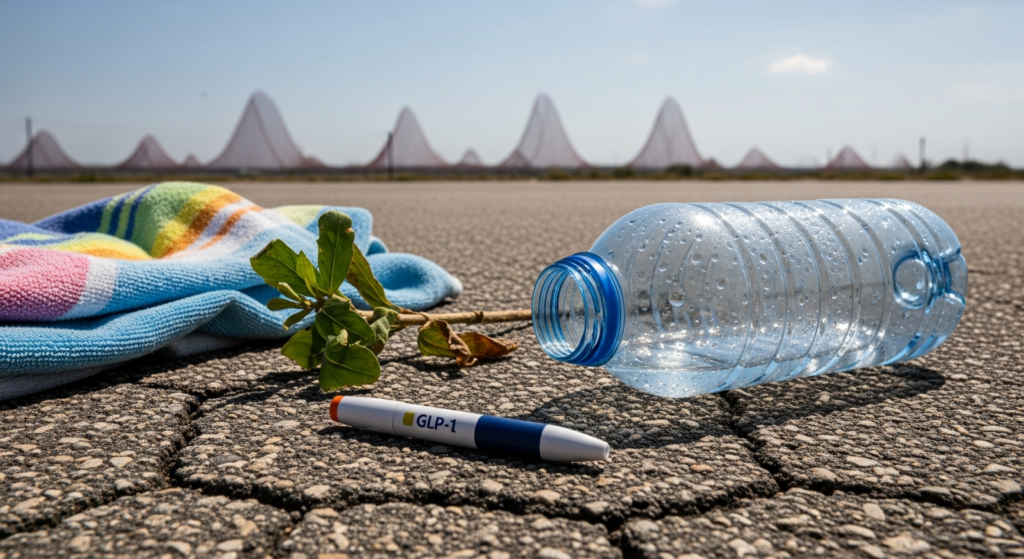
Medical professionals are issuing warnings to individuals utilizing GLP-1 receptor agonist medications, advising heightened vigilance regarding hydration and the potential for heat-related symptoms. This guidance comes as parts of the Upstate region, including Clemson, experience sustained warm weather conditions typical of July.
The concern stems from the known effects of GLP-1 medications, which are commonly prescribed for conditions such as type 2 diabetes and obesity. These drugs can influence appetite and, in some cases, lead to reduced fluid intake. When combined with the elevated temperatures and humidity characteristic of a Clemson summer, this can increase the risk of dehydration and other heat-related illnesses, such as heat exhaustion or heatstroke.
Healthcare coverage across various medical and local broadcast outlets has highlighted this specific summer safety concern. The core message from clinicians is to proactively manage fluid intake, even if thirst cues are diminished, and to be aware of the signs of dehydration. Symptoms can include excessive thirst, dry mouth, infrequent urination, fatigue, and dizziness. In more severe cases, confusion, rapid heartbeat, and loss of consciousness may occur, necessitating immediate medical attention.
Individuals taking GLP-1 medications are strongly advised to consult with their qualified clinicians for personalized medical decisions and specific guidance tailored to their health profile and local environmental conditions. This includes discussing appropriate hydration strategies, potential adjustments to medication routines during periods of extreme heat, and how to recognize and respond to symptoms of dehydration or heat-related stress.
### Why it matters in Clemson
The guidance from medical professionals holds particular relevance for residents across Clemson and the broader Pickens County area. With local institutions like Prisma Health Oconee Memorial Hospital and AnMed Health serving the community, healthcare providers are prepared to address heat-related concerns. As the summer season continues, ensuring adequate hydration and understanding the unique risks associated with certain medications like GLP-1s is crucial for maintaining public health and safety, especially for those who may be more susceptible to the effects of high temperatures.