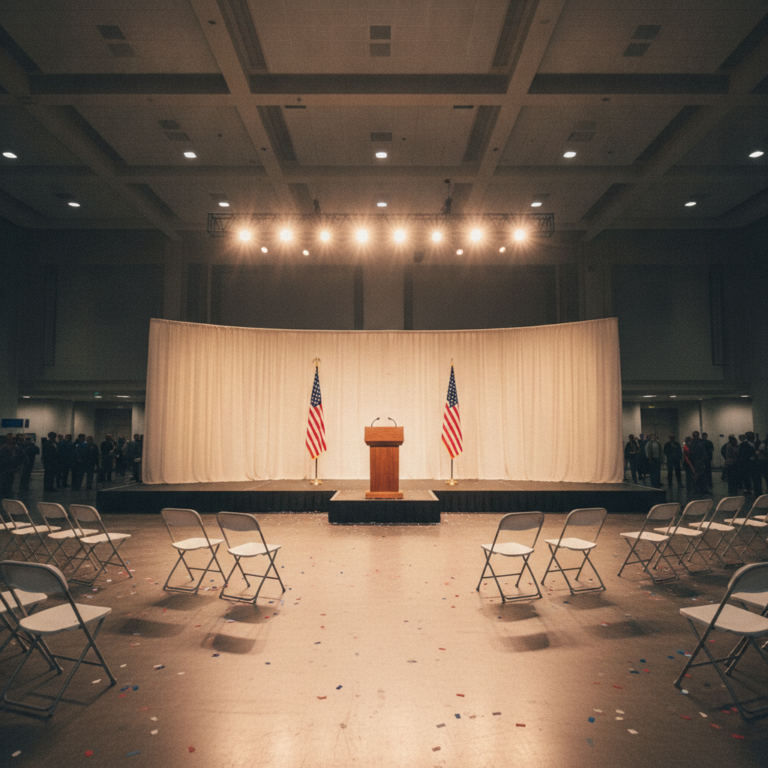
The Supreme Court has increasingly utilized its emergency docket, often referred to as the ‘shadow docket,’ to issue significant orders on a range of critical issues, particularly those concerning executive power and election rules. These decisions, made without the full oral arguments and lengthy deliberations typical of the Court’s regular calendar, have drawn attention for their immediate and far-reaching impacts on public policy and governmental authority.
Recent legal analyses highlight the Court’s reliance on these expedited orders in cases that touch upon the scope of presidential and gubernatorial powers, as well as the administration of elections. Unlike fully briefed and argued cases, emergency orders are typically responses to urgent requests for stays or injunctions, often leaving less time for public scrutiny and detailed legal reasoning. This procedural pathway has become a focal point in discussions about judicial transparency and the balance of power among governmental branches.
The implications of these emergency rulings extend beyond federal agencies, influencing the frameworks within which state and local governments operate. Decisions regarding executive authority can shape how state-level officials, from Governor Henry McMaster down to local administrators, exercise their powers and implement policies. Similarly, rulings on election rules can directly affect how states, including South Carolina, manage their electoral processes, impacting everything from voter registration to ballot access and the certification of results.
While the specific cases often originate at the federal level, their principles can cascade through the legal system, informing interpretations of state statutes and administrative regulations. This dynamic means that even without direct involvement in a Supreme Court case, local jurisdictions like Clemson can find their operational environment subtly, or sometimes significantly, altered by these high-court pronouncements on fundamental governmental powers and democratic processes. The ongoing use of the shadow docket ensures that these areas of law remain under continuous review, with potential consequences for how public services are delivered and how elections are conducted across the nation.
### Why it matters in Clemson
The Supreme Court’s actions on its emergency docket, particularly concerning executive power and election rules, have tangible implications for the City of Clemson and its residents. Decisions impacting the scope of executive authority at the federal level can influence the powers and responsibilities delegated to state agencies, which in turn interact with local entities such as Clemson University and the City of Clemson administration under Mayor Robert Halfacre. For instance, state environmental regulations or public health directives, often shaped by executive action, directly affect local planning and operations. Furthermore, rulings on election rules can dictate the procedural landscape for voting in Pickens County, impacting voter access and the administration of elections for all Clemson residents. These national legal developments thus play a role in shaping the governance and civic participation within the Clemson community.