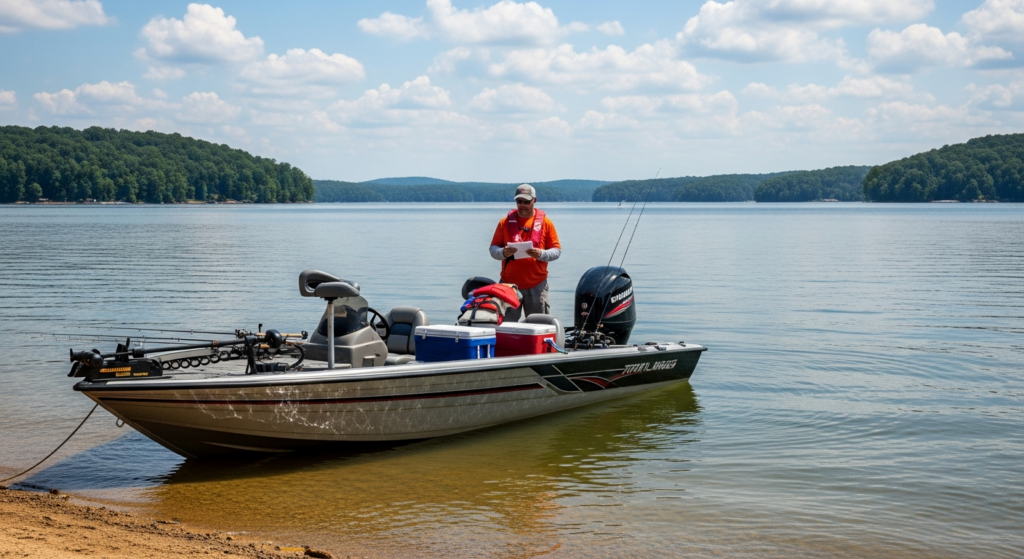
As recreational fishing remains a popular pastime across the Upstate, a recently released guide outlines essential safety practices for anglers navigating local waters during the summer months. The recommendations, which cover everything from hydration to responsible fish handling, are particularly pertinent for those fishing on Lake Hartwell, Lake Keowee, the Seneca River, and other waterways in and around Clemson, where August temperatures can pose significant health risks.
One of the most critical aspects of summer fishing safety is maintaining adequate hydration. The guide strongly recommends that anglers drink water regularly throughout their fishing trips, aiming for at least eight glasses daily. This intake should be increased significantly when sweating heavily, a common occurrence during Clemson’s humid summers. Carrying a sufficient supply of cool water is paramount, and considering electrolyte drinks can help replenish essential salts lost through perspiration. Conversely, the guide advises against consuming caffeine and alcohol, both of which can contribute to dehydration and impair judgment, further increasing risks in hot conditions.
Protection from the sun’s powerful rays is another key component of the safety framework. Anglers are advised to apply broad-spectrum sunscreen with an SPF of at least 30 to all exposed skin. This application should occur 15 to 30 minutes before heading outdoors to allow the sunscreen to properly absorb and become effective. Reapplication is crucial, recommended every two hours, or more frequently after sweating profusely or any water exposure. Beyond sunscreen, minimizing direct sun exposure, especially between 10 AM and 4 PM when UV radiation is strongest, is highly recommended. Taking frequent breaks under natural shade, such as trees along the Twelve Mile River, or artificial shade, like a boat canopy on Lake Hartwell, can significantly reduce heat stress. Wearing lightweight, loose-fitting, breathable, or moisture-wicking clothing with UV protection also provides a physical barrier against the sun, helping to keep the body cooler and protected.
Understanding and recognizing the symptoms of heat exhaustion is vital for any angler spending time outdoors in the summer. The guide lists several key indicators, including heavy sweating, general weakness, dizziness, nausea, headaches, and muscle cramps. If these symptoms appear, immediate action is necessary. The individual should move to a shaded area or, ideally, an air-conditioned environment to cool down. Slowly drinking cool water or an electrolyte drink can help rehydrate the body. Applying cool, wet cloths to the skin, particularly on the neck, armpits, and groin, can also aid in lowering body temperature. Ignoring these signs can lead to more severe heatstroke, a medical emergency requiring immediate professional attention.
Thorough preparation and appropriate gear are indispensable for a safe fishing excursion. Before departing, anglers should diligently check weather forecasts, paying close attention to heat advisories and severe-weather alerts that could impact conditions on Lake Keowee or the Little River. Consulting tide charts and river conditions is also important for understanding water flow and potential hazards. A well-stocked first-aid kit is essential, along with ample water, high-energy snacks, and sun-protection gear beyond sunscreen, such as wide-brimmed hats and polarized sunglasses. Carrying extra clothing and a lightweight waterproof jacket is also prudent, as summer storms can develop rapidly in the Upstate region, leading to sudden drops in temperature or heavy rainfall.
Beyond personal safety, the guide also emphasizes responsible fishing practices to ensure the sustainability of local aquatic ecosystems. Using barbless hooks, or crimping the barbs of standard hooks, significantly reduces trauma to fish during catch-and-release. When handling fish, anglers should always wet their hands first to protect the fish’s protective slime coat, and avoid touching the gills or eyes. Limiting the time a fish spends out of the water is crucial for its survival. Adhering strictly to local catch limits and seasonal restrictions, which are designed to protect fish populations, is a legal and ethical obligation. Practicing catch-and-release whenever possible further contributes to the health and abundance of fish in waters like Lake Jocassee and the Chatooga River, ensuring future generations of anglers can enjoy the same opportunities.
Why it matters in Clemson
Fishing is a deeply ingrained recreational activity for many residents of Clemson and the broader Upstate region, drawing individuals and families to the pristine waters of Lake Hartwell, Lake Keowee, and the Seneca River. Adhering to comprehensive summer safety guidelines is not merely a matter of personal well-being; it directly impacts public health outcomes and the long-term ecological vitality of these cherished natural assets. By preventing heat-related illnesses, anglers reduce potential strains on local healthcare providers, including Prisma Health Oconee Memorial Hospital. Furthermore, responsible fishing practices ensure the sustainability of fish populations, preserving the recreational and economic value of these waterways for the City of Clemson and its many visitors, including students and faculty from Clemson University who frequently utilize these outdoor spaces.