CLEMSON — Anglers heading out onto the region’s lakes and rivers this summer are being reminded to prioritize safety, with a new guide detailing essential precautions for sun exposure, hydration, and boating. The recommendations aim to prevent heat-related illnesses and accidents that can occur during extended periods on the water, particularly as temperatures remain high in the Upstate.
One of the primary concerns for those fishing on Lake Hartwell, Lake Keowee, or the Seneca River is the intense solar radiation. The guide specifies that the sun’s ultraviolet (UV) rays are at their strongest between 10 AM and 4 PM. Compounding this risk, water surfaces can reflect up to 15% of UV radiation back at a person, significantly increasing overall exposure. To counter this, a broad-spectrum sunscreen with at least SPF 30 is recommended, with SPF 50+ advised for individuals planning extended periods on the water. Proper application involves applying sunscreen 30 minutes before going outside and reapplying it every two hours, or more frequently if sweating heavily or getting splashed.
Beyond sunscreen, protective clothing is a key component of sun safety. The guidelines suggest wearing lightweight, long-sleeved shirts and pants made from UPF-rated fabrics, which are designed to block UV radiation. A wide-brimmed hat, offering at least four inches of coverage all around, is also crucial for protecting the face, ears, and neck. Polarized sunglasses with 100% UV protection are recommended to shield the eyes from both direct and reflected sunlight, which can cause long-term damage.
Staying adequately hydrated is another critical aspect of summer safety for anglers. The guide outlines early signs of dehydration, which include thirst, dry mouth, decreased urination, and fatigue. If these symptoms are ignored, more severe indicators can develop, such as dizziness, a rapid heartbeat, and confusion. Anglers are advised to carry ample water, especially when planning longer trips on waterways like the Keowee River or Lake Jocassee, where access to fresh water might be limited.
Heat-related illnesses pose a serious threat during the warmer months. The guide differentiates between heat exhaustion and heat stroke, both of which require immediate attention. Symptoms of heat exhaustion include heavy sweating, general weakness, nausea, headaches, and muscle cramps. Heat stroke, a more severe and life-threatening condition, is characterized by a high body temperature (above 103°F), an altered mental state, hot and dry skin (though sweating may still occur), a rapid pulse, and potentially unconsciousness. Anyone experiencing these symptoms should seek immediate medical attention, and local facilities like Prisma Health Oconee Memorial Hospital are equipped to handle such emergencies.
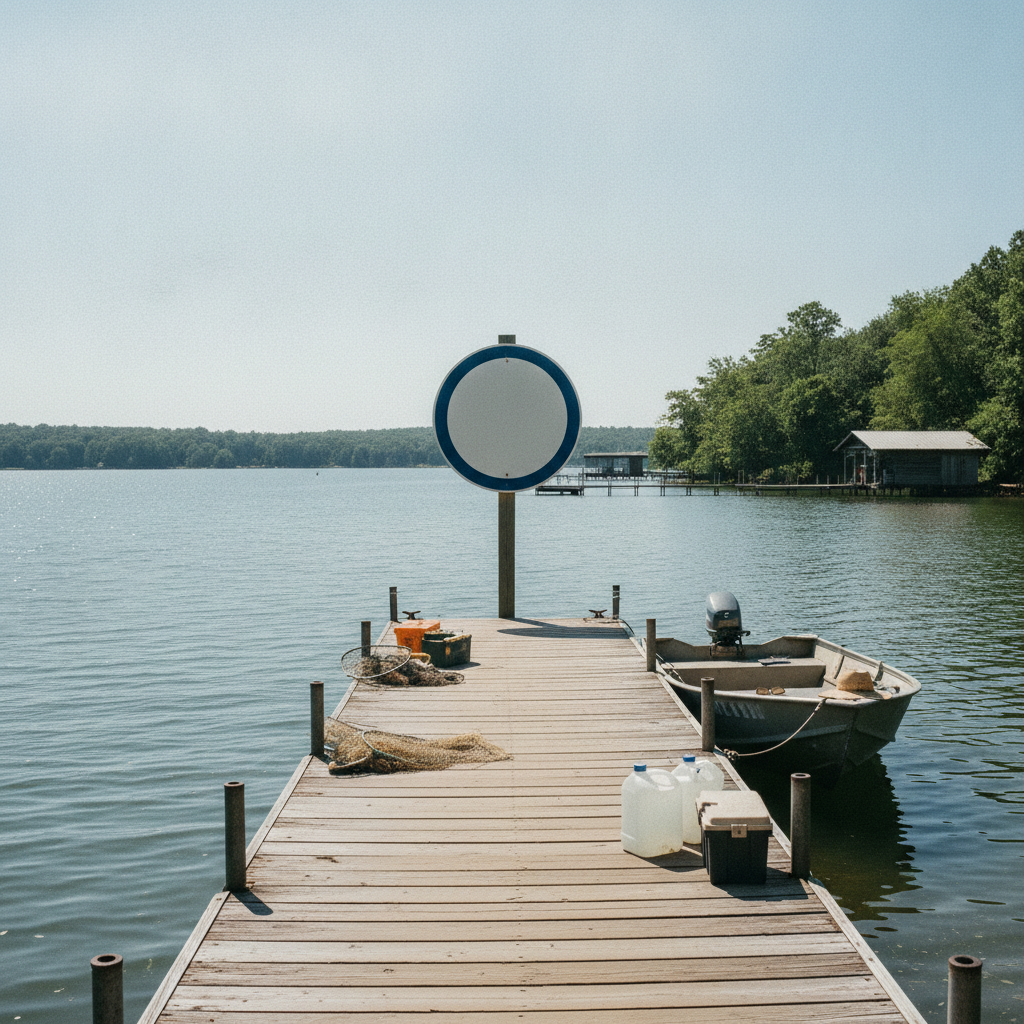
For those venturing out on boats for fishing, additional safety measures are paramount. The guide recommends filing a float plan with a trusted contact, detailing the planned route, expected return time, and number of people on board. Carrying a VHF radio is advised for communication in areas with limited cell service, which can be common on larger bodies of water like Lake Hartwell. Furthermore, anglers should pack extra water and emergency supplies. The Coast Guard specifically recommends carrying at least one gallon of water per person per day for emergency situations, underscoring the importance of preparedness for unexpected delays or breakdowns.
Adhering to these guidelines can significantly reduce the risks associated with summer fishing, allowing individuals to enjoy the natural beauty of Clemson’s surrounding aquatic environments safely.
Why it matters in Clemson
Clemson, situated amidst a network of popular fishing destinations including Lake Hartwell, Lake Keowee, and the Seneca River, sees a significant number of residents and visitors engage in recreational fishing throughout the summer. The well-being of these individuals directly impacts the local community and its emergency services. Adherence to these safety guidelines can help prevent incidents that would otherwise strain local healthcare resources, such as those provided by Prisma Health Oconee Memorial Hospital or AnMed Health’s Clemson campus. Furthermore, a safe environment encourages continued enjoyment of the region’s natural assets, which are integral to the quality of life and recreational economy in Clemson. Promoting safe practices ensures that the community can continue to benefit from its proximity to these cherished waterways without undue risk.