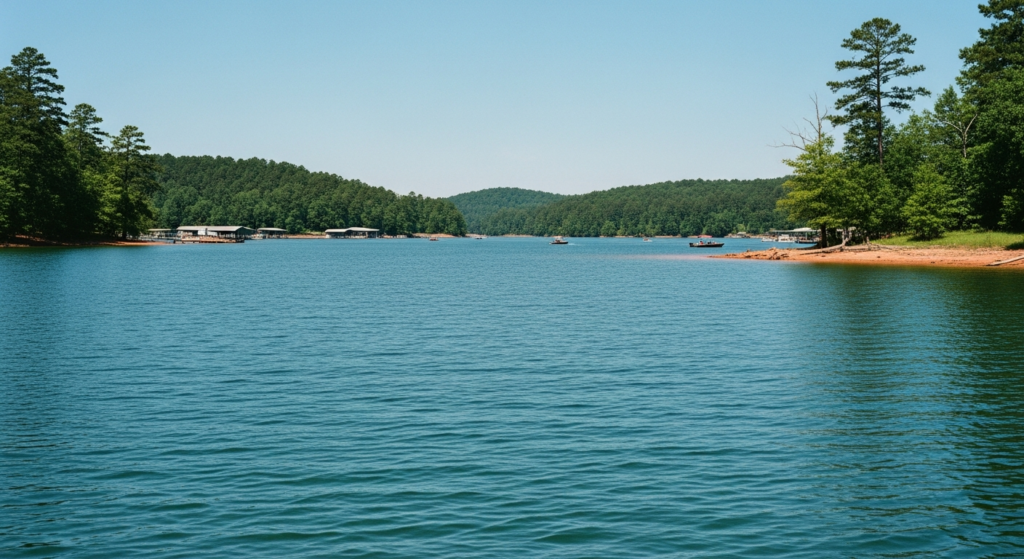
The importance of safe practices for recreational activities on local waterways has been underscored by the release of a comprehensive summer fishing safety guide. The guide, which outlines essential precautions for sun exposure, hydration, and responding to heat-related emergencies, offers timely advice for individuals enjoying the lakes and rivers around Clemson. With summer temperatures consistently high, understanding and implementing these safety measures is crucial for anyone spending extended periods outdoors, particularly on or near the water.
One of the primary areas of focus in the guide is sun protection, a critical concern given the intensity of the sun’s rays during the summer in Clemson. The guide explicitly states that ultraviolet (UV) radiation is strongest between 10 AM and 4 PM. Furthermore, water surfaces, such as those found on Lake Hartwell, Lake Keowee, or the Seneca River, can reflect a significant amount of UV radiation, potentially increasing exposure by up to 15%. To mitigate these risks, the guide recommends using a broad-spectrum sunscreen with an SPF (Sun Protection Factor) of at least 30. For those planning extended periods on the water, an SPF of 50 or higher is advised. Proper application is also emphasized: sunscreen should be applied approximately 30 minutes before heading outdoors and reapplied every two hours. This frequency should be increased if an individual is sweating heavily or frequently splashing in the water.
Beyond sunscreen, the guide details other protective equipment essential for minimizing sun exposure. Lightweight, long-sleeved clothing with a UPF (Ultraviolet Protection Factor) rating is recommended to provide a physical barrier against harmful rays. A wide-brimmed hat, offering at least four inches of coverage around the head and neck, is also crucial. To protect the eyes from both direct and reflected UV light, polarized sunglasses that block 100% of UV radiation are advised. These measures collectively form a robust defense against sunburn and long-term skin damage, which are common risks for anglers in the Clemson area.
Hydration is another cornerstone of the safety guide, particularly vital during the warm summer months. The guide stresses the importance of consistent fluid intake, recommending that individuals drink at least eight ounces of water every 15 to 20 minutes while actively fishing. This steady intake helps to prevent dehydration, which can quickly become a serious issue in high temperatures. Conversely, the guide advises against consuming beverages high in caffeine or alcohol, as these substances can act as diuretics and contribute to dehydration, counteracting efforts to stay properly hydrated. Maintaining adequate fluid levels is paramount for physical performance and overall well-being, especially when engaged in strenuous activities like fishing.
The guide provides clear instructions for recognizing and responding to heat-related emergencies, distinguishing between heat exhaustion and the more severe heat stroke. Heat exhaustion is characterized by symptoms such as heavy sweating, general weakness, nausea, headache, and muscle cramps. If these signs appear, immediate action is necessary: the affected individual should be moved to a shaded or cooler area, excess clothing should be removed, and cool water should be applied to the skin. If the person is conscious and able to swallow, they should be given cool fluids to drink. These steps are designed to lower body temperature and prevent the condition from worsening.
Heat stroke, however, is described as a life-threatening emergency requiring immediate medical attention. Its symptoms are more severe and include a body temperature exceeding 103°F, an altered mental state (such as confusion or disorientation), hot and dry skin (though sweating may still be present in some cases), and a rapid pulse. In instances of suspected heat stroke, the guide unequivocally states that 911 must be called immediately. While awaiting emergency services, aggressive cooling measures should be initiated, such as immersing the person in cool water or applying ice packs to the neck, armpits, and groin. Recognizing these distinctions and acting swiftly can be critical in preventing severe health outcomes.
For those venturing onto the larger bodies of water, such as Lake Hartwell or Lake Keowee, the guide includes specific recommendations for boat fishing safety. Before departing, boaters are advised to check their engine cooling systems to prevent mechanical failures that could leave them stranded. Filing a float plan with a trusted contact, detailing the intended route and expected return time, is also a crucial safety step. Furthermore, the guide recommends carrying extra water and emergency supplies, including a VHF radio for communication in areas with limited cell service. A critical provision for emergencies is having at least one gallon of water per person per day on board, ensuring a sufficient supply in case of unexpected delays or breakdowns. These precautions are especially pertinent for the expansive waters surrounding Clemson, where assistance may not always be immediately accessible.
Why it matters in Clemson
The release of this comprehensive safety guide holds particular significance for Clemson, a community deeply connected to its surrounding natural waterways. With Clemson University students, faculty, and local residents frequently utilizing Lake Hartwell, Lake Keowee, the Seneca River, and nearby parks like Keowee-Toxaway State Park for recreation, the potential for sun exposure and heat-related incidents is considerable during the summer months. Adherence to these guidelines can directly reduce the strain on local emergency services, including Prisma Health Oconee Memorial Hospital, by preventing avoidable medical emergencies. Promoting safe practices ensures that the community can continue to enjoy the region’s abundant fishing and boating opportunities responsibly, safeguarding public health and preserving the quality of life that defines the Clemson area.