CLEMSON — With summer temperatures persisting across the Upstate, anglers in the Clemson area are being reminded to prioritize safety and preparedness when fishing on local waterways such as Lake Hartwell, Lake Keowee, and the Seneca River. A comprehensive set of guidelines underscores the importance of hydration, sun protection, and responsible practices to ensure a safe and enjoyable experience.
Central to summer safety is maintaining adequate hydration. The guidelines recommend that individuals drink water regularly, beginning the day with a substantial intake and aiming for at least eight glasses daily. This intake should increase significantly during periods of heavy sweating. Carrying an insulated water bottle is advised to keep water cool, and considering electrolyte drinks or tablets can help replenish essential salts lost through perspiration. Anglers are also cautioned to avoid caffeine and alcohol, which can contribute to dehydration, and to incorporate water-rich fruits and vegetables into their diet.
Sun protection is another critical component of safe summer fishing. Experts advise applying broad-spectrum sunscreen with an SPF of at least 30 to all exposed skin 15 to 30 minutes before heading outdoors. Reapplication is crucial every two hours, or more frequently if sweating heavily or after water exposure. Further protection can be achieved by wearing UV-protective sunglasses, donning protective clothing, and taking shaded breaks. Minimizing direct sun exposure between 10 AM and 4 PM, when UV radiation is strongest, is also highly recommended.
Appropriate clothing plays a significant role in mitigating heat and sun exposure. Light-colored, loose-fitting, and breathable fabrics are suggested, with moisture-wicking layers being particularly effective. UV-protective garments offer an additional layer of defense against harmful rays. A wide-brimmed hat provides shade for the face and neck, while a buff or neck gaiter can protect the neck and ears. Lightweight footwear with good grip is essential for navigating varied terrain, and water shoes are specifically recommended for those planning to wade in the water.
Despite precautions, heat exhaustion remains a risk during prolonged outdoor activity in warm weather. Anglers should be aware of symptoms such as heavy sweating, weakness, dizziness, nausea, headache, and muscle cramps. If these symptoms arise, immediate action is necessary: move to a shaded or air-conditioned area, slowly drink cool water or an electrolyte solution, apply cool wet cloths to the skin, and consider a cool shower or bath. Loosening clothing can also help the body cool down. It is critical to address these symptoms promptly to prevent progression to heat stroke, which requires immediate medical attention.
Monitoring weather conditions is paramount for any fishing excursion. The guidelines stress the importance of checking local weather forecasts, heat advisories, and severe-weather alerts before and during a trip. For those fishing on Lake Hartwell or Lake Keowee, consulting tide charts and river conditions can also be beneficial. Utilizing a weather radio or smartphone alerts can provide real-time updates. Planning trips for cooler periods, such as early mornings or late afternoons, can significantly reduce heat exposure. Employing a buddy system ensures that someone is aware of your whereabouts and can assist in an emergency.
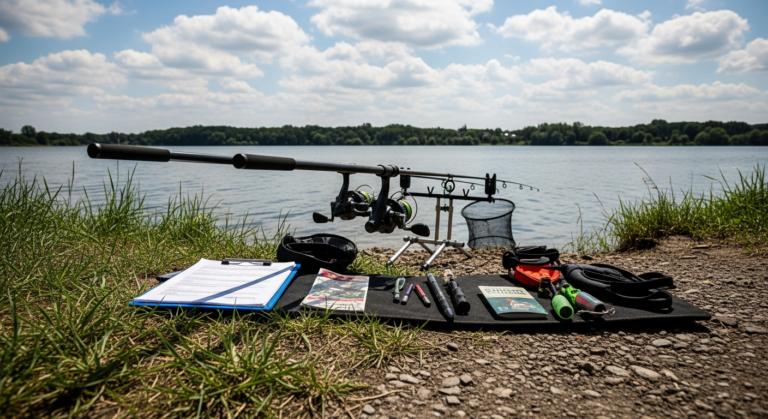
An adequately stocked gear bag is indispensable for safety. A first-aid kit containing bandages, antiseptics, pain relievers, and any personal medications is a must. Beyond water, high-energy snacks are recommended to maintain stamina. A cooler with ice packs can keep drinks and snacks cool, and a portable fan or misting device can offer personal cooling. Sunscreen, hats, and sunglasses are essential. A multi-tool or fishing knife can prove invaluable for various tasks. Carrying extra clothing and a lightweight waterproof jacket prepares anglers for unexpected changes in weather.
Responsible fish handling and conservation practices are also emphasized. Using barbless hooks or crimping hook barbs minimizes harm to fish. Anglers should wet their hands before handling fish to protect their protective slime coat and avoid touching gills and eyes. Supporting the fish properly, especially larger specimens, reduces stress and injury. Limiting the time a fish spends out of water, using a landing net for safe retrieval, and preparing cameras before taking photos can all contribute to the fish’s survival. Adhering to catch limits and seasonal restrictions is legally required, and practicing catch and release, particularly for larger breeding-age fish, helps sustain local fish populations in waters like the Twelve Mile River and Lake Jocassee.
Why it matters in Clemson
These summer fishing safety guidelines are particularly relevant for Clemson, a community deeply connected to its surrounding natural environment and waterways. With Clemson University drawing students and faculty from diverse backgrounds, and local employers like AnMed Health and Prisma Health Oconee Memorial Hospital serving a population that values outdoor recreation, ensuring public safety on lakes and rivers is critical. The popularity of fishing on Lake Hartwell and Lake Keowee means that many residents and visitors will be out on the water during the warmer months. Adhering to these safety measures not only protects individual anglers but also contributes to the overall well-being of the community and the responsible stewardship of Clemson’s cherished natural resources, preventing strain on local emergency services and healthcare providers.