A comprehensive guide for deer hunters is emphasizing the critical importance of preseason preparation, covering everything from weapon maintenance to strategic stand placement, as the upcoming season draws closer for enthusiasts in the Clemson area.
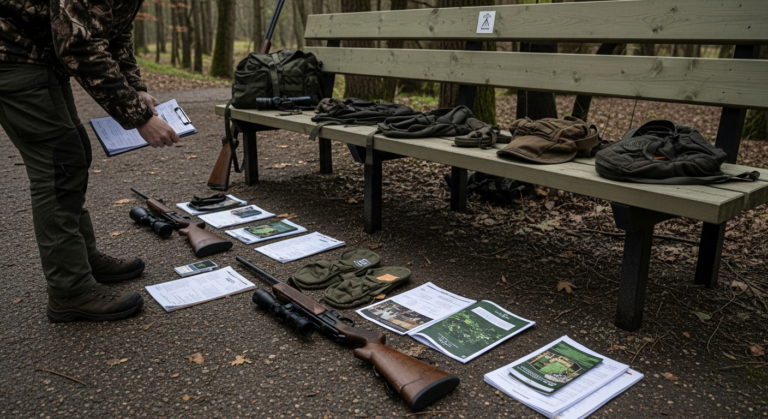
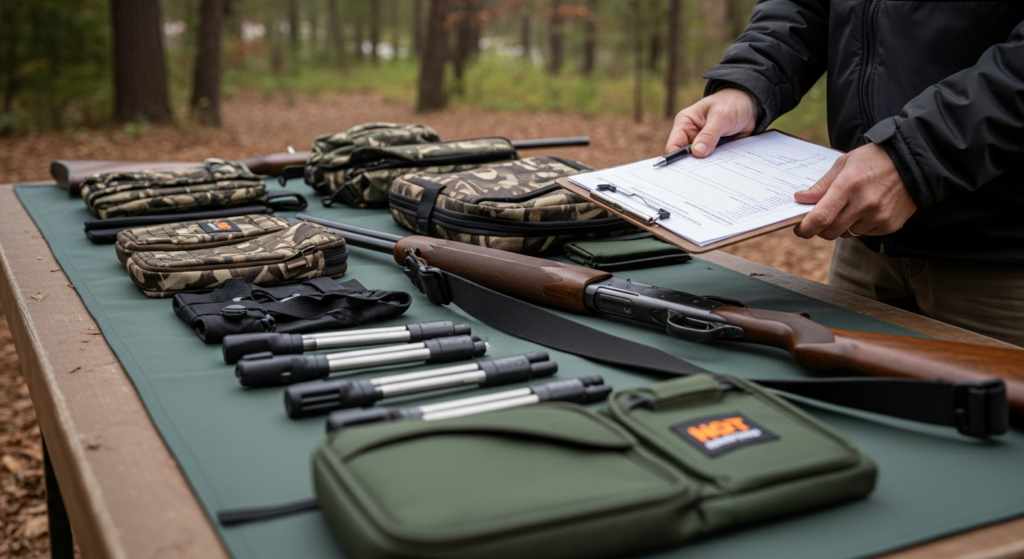
The detailed checklist, relevant for hunters preparing for the season, begins with a thorough inspection of weapons. For bowhunters, this means meticulously examining bows for any signs of wear, such as separated limbs, cams, or frayed strings. Regular waxing of strings is recommended, and any questionable parts should be replaced promptly. Consistent shooting practice is also advised to build and maintain accuracy. Rifle users are directed to clean and oil their firearms, verify that scopes are securely mounted, and confirm rifle zero at a shooting range. For those using broadheads, an arrow spinner is a crucial tool to check for straightness and proper alignment, ensuring a true flight path.
Beyond weaponry, the guide stresses the importance of clothing and footwear readiness. All hunting apparel should be washed with scent-free detergent to minimize detection by deer. Hunters are advised to inspect clothing for holes, worn seams, or fading that could compromise camouflage or warmth. New footwear should be broken in well before the season begins, and waterproofing should be verified to keep feet dry in varied conditions. Additionally, treating clothing with permethrin is recommended when needed, offering protection against tick-borne illnesses that are prevalent in outdoor environments, particularly during the warmer months of summer.
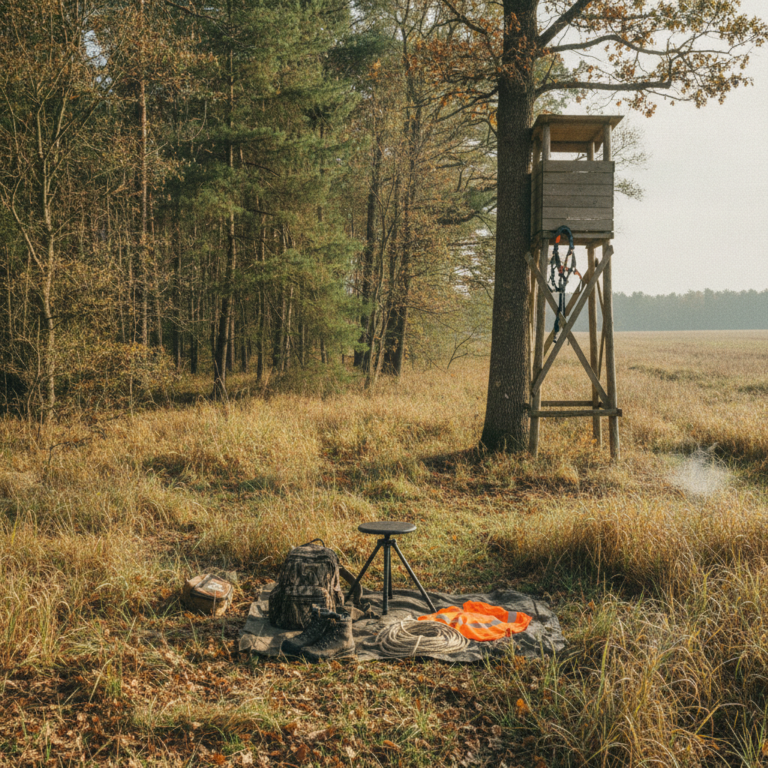
Safety and navigation equipment are also high on the priority list. Treestands, ladder stands, and climbing sticks require careful inspection for rust, loose fasteners, cracks, or frayed straps that could lead to failure. A full-body harness, paired with a lifeline, should be tested to ensure it functions correctly and provides maximum safety when ascending or descending. Modern hunters rely heavily on technology for navigation; therefore, GPS units and external battery packs must be fully charged, and mapping applications should be downloaded and updated as needed, especially for those venturing into less familiar terrain around areas like Lake Hartwell or Keowee-Toxaway State Park.
Strategic stand placement is another key component of preseason planning. The guide suggests positioning stands near natural pinch points, funnels, creek crossings, or staging areas close to food sources or bedding grounds. Hanging stands early in the season allows deer to acclimate to their presence, reducing the likelihood of spooking them. Trimming shooting lanes should be done conservatively to avoid over-clearing, and quiet, scent-free methods are paramount during this process to avoid alerting local wildlife. This careful planning is essential for hunters in the diverse landscapes surrounding Clemson.
Map scouting, both physical and digital, provides a significant advantage. Hunters are encouraged to study contour lines to identify saddles, ridges, and draws where deer naturally travel. Locating creeks, ponds, and low spots can reveal water sources and travel corridors. Marking agricultural fields, oak stands, and natural browse areas helps pinpoint feeding locations. Evaluating access routes under different wind conditions is critical to ensure a quiet approach and prevent scent dispersal. For enhanced digital scouting, the REVEAL Xtra add-on to REVEAL plans, available for an additional $4 per month, offers valuable features such as property boundaries, detailed property information, access details, shape and path drawing tools, and custom pins, which can be particularly useful for navigating the varied private and public lands in Pickens County.
Trail cameras have become an indispensable tool for many hunters. Preseason preparation for these devices includes deploying cameras well in advance of opening day to gather intelligence without disturbing deer patterns. Batteries should be fully charged, and SD cards, if used, should be formatted and labeled. Testing the field of view, motion activation, flash, and other settings in the field ensures optimal performance. Cellular cameras require activation and updates before deployment, and users are advised to utilize the latest version of the REVEAL app for seamless operation. Notably, Ultra and REVEAL 3.0 series cameras feature internal memory, making external SD cards optional.
General camping and readiness also factor into a comprehensive preseason plan. This includes checking tents and sleeping bags, ensuring adequate stove fuel, inspecting campers, and organizing hunting packs. Consistent shooting practice is vital for proficiency, and coordination with landowners is essential for those hunting on private property. Finally, maintaining good physical fitness is crucial for navigating rugged terrain and handling the demands of hunting.
Why it matters in Clemson
For the Clemson community, the meticulous preparation for deer hunting season represents more than just a recreational pursuit; it underscores a significant aspect of local culture and economic activity. Residents, including students and faculty from Clemson University, often engage in outdoor activities, and hunting contributes to the region’s outdoor recreation economy. Local businesses, from sporting goods stores to general retailers in areas like Patrick Square Town Center, see increased demand for gear, supplies, and services as hunters prepare. Furthermore, responsible hunting practices, as emphasized by these preseason checklists, contribute to wildlife management and conservation efforts in Pickens County, ensuring the health of local ecosystems and the sustainability of deer populations for future generations. The preparedness of hunters impacts safety in the region’s extensive natural areas, including those surrounding Lake Keowee and the Seneca River.