As summer continues across the Upstate, a comprehensive guide has been released detailing essential safety measures for anglers, particularly those frequenting the lakes and rivers around Clemson. The recommendations address the significant risks posed by prolonged sun exposure, dehydration, and heat-related illnesses, which are amplified during the warmer months.
The guide emphasizes that the sun’s ultraviolet (UV) rays are at their most intense between 10 AM and 4 PM. For individuals fishing on local bodies of water such as Lake Hartwell or the Seneca River, the risk of UV exposure is further compounded by water surfaces, which can reflect up to 15% of UV radiation. This reflection significantly increases an angler’s overall exposure, making protective measures even more crucial than on land. The cumulative effect of direct and reflected UV can lead to severe sunburn, accelerated skin aging, and an increased risk of skin cancer over time.
To mitigate these risks, the guide strongly recommends the use of broad-spectrum sunscreen with an SPF (Sun Protection Factor) of at least 30. For those planning extended periods on the water, an SPF of 50 or higher is advised. Proper application is key: sunscreen should be applied generously at least 30 minutes before heading outdoors to allow it to bind to the skin effectively. Reapplication is equally important, with a recommendation to reapply every two hours, or more frequently if an angler is sweating heavily or has been splashed by water, which can wash away the protective layer. Neglecting reapplication can leave skin vulnerable even after initial protection.
Beyond sunscreen, physical barriers are highlighted as vital components of sun protection. Anglers are encouraged to wear lightweight, long-sleeved clothing with a UPF (Ultraviolet Protection Factor) rating. These garments are specifically designed to block a significant percentage of UV radiation. Light-colored clothing is also recommended, as it reflects sunlight and heat away from the body, helping to keep the wearer cooler. A wide-brimmed hat, providing at least four inches of coverage around the entire head, is essential for protecting the face, ears, and neck—areas often overlooked but highly susceptible to sun damage. Additionally, polarized sunglasses offering 100% UV protection are crucial not only for reducing glare on the water, which can improve visibility for fishing, but also for safeguarding the eyes from harmful UV rays that can contribute to cataracts and other ocular damage.
Hydration is another cornerstone of summer safety, particularly for those engaged in physical activity like fishing. The guide advises drinking at least eight ounces of water every 15 to 20 minutes during active fishing sessions. This consistent intake helps to replenish fluids lost through sweating and maintain the body’s core temperature. Starting hydration the night before a fishing trip is also recommended, ensuring the body is well-hydrated before exposure to heat. Conversely, beverages high in caffeine or alcohol should be avoided. Both caffeine and alcohol are diuretics, meaning they increase urine production and can lead to dehydration, counteracting efforts to stay properly hydrated.
Understanding the signs of heat-related illnesses is critical for anyone spending time outdoors in the Clemson area’s summer heat. The guide distinguishes between heat exhaustion and the more severe heat stroke. Warning signs of heat exhaustion include heavy sweating, general weakness, nausea, headache, and muscle cramps. If these symptoms appear, individuals should move to a cooler environment, rest, and rehydrate. Heat stroke, however, is a medical emergency requiring immediate attention. Its signs include a body temperature above 103°F, an altered mental state (confusion, disorientation), hot and dry skin (though sweating may still be present), a rapid pulse, and potential unconsciousness. The guide unequivocally states that if heat stroke is suspected, 911 must be called immediately, as it can be fatal if not treated promptly.
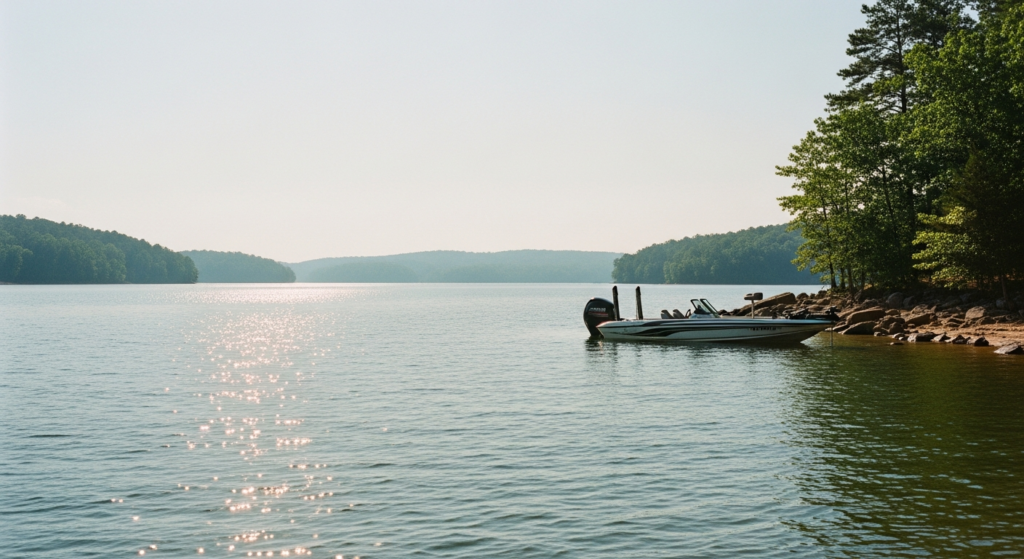
For those venturing onto Lake Hartwell, Lake Keowee, or Lake Jocassee in a boat, specific safety protocols are outlined. Before departure, boaters should ensure their engine cooling system is functioning properly to prevent overheating, a common cause of breakdowns on the water. All required safety equipment, including life jackets for every occupant, fire extinguishers, and signaling devices, must be onboard and in good working order. Filing a float plan with a trusted contact is also recommended; this plan should detail the intended route, destination, and estimated return time, allowing for prompt notification if the boater does not return as expected. Carrying extra water is paramount, with the guide recommending at least one gallon of water per person per day for emergencies. A VHF radio is also a crucial piece of equipment for communicating with marine services or other boaters, especially in areas where cell phone service may be unreliable.
Summer heat and UV exposure can also take a toll on fishing gear. The guide notes that prolonged exposure can weaken fishing rod guides and fishing lines, potentially leading to equipment failure at critical moments. Tackle boxes, especially those made of plastic, can warp or become brittle under intense heat, compromising their integrity and the safety of their contents. To protect equipment, anglers are advised to keep their gear shaded whenever possible, perhaps under a boat canopy or a shoreline tree. Frequent inspection of fishing lines for signs of wear or degradation is also recommended, as UV rays can accelerate the breakdown of line materials, making them more prone to snapping.
Why it matters in Clemson
The comprehensive safety guide serves as a vital resource for the many residents and visitors who engage in fishing and boating across Clemson’s abundant waterways, including Lake Hartwell and Lake Keowee. Adhering to these precautions can significantly reduce the incidence of heat-related emergencies and sun-induced injuries, lessening the burden on local emergency services and healthcare providers such as Prisma Health Oconee Memorial Hospital. For students and faculty at Clemson University, who often utilize these natural resources for recreation, understanding these guidelines ensures a safer experience, promoting well-being within the broader community and preserving the enjoyment of the region’s outdoor amenities.