Hunters in the Clemson area and across Pickens County are turning their attention to preseason preparations as the summer season continues, with a detailed guide emphasizing thorough checks of gear, strategic planning, and physical conditioning. The comprehensive checklist covers everything from weapon maintenance to trail camera deployment, aiming to equip hunters for a safe and productive season.
Weapon and Optic Readiness
Central to any hunting preparation is the meticulous inspection and maintenance of weapons. For bowhunters, this involves a careful examination of bows for any signs of wear or separation in limbs, cams, and strings. Regular waxing of strings is recommended to prolong their life and maintain performance. Any questionable components should be replaced proactively to prevent failures in the field. Consistent practice is also highlighted as crucial for building and maintaining accuracy, ensuring ethical shots when the season arrives.
Rifle hunters are advised to clean and oil their firearms thoroughly, checking all scope mounts for tightness and stability. Confirming the rifle’s zero at a shooting range is a critical step, ensuring accuracy at various distances. For those using broadheads, an arrow spinner can be used to verify straightness and alignment, which is essential for consistent flight and penetration.
Clothing and Footwear Essentials
Proper clothing and footwear are not just about comfort; they are integral to a successful and safe hunt. The guide suggests washing all hunting clothing with scent-free detergent to minimize human odor, which can alert deer to a hunter’s presence. Checking garments for holes, worn seams, and fading is important for durability and camouflage effectiveness. New footwear should be broken in well before the season to prevent discomfort and blisters during long treks. Verifying the waterproofing of boots and outerwear is also key, especially given the varied terrain and potential for wet conditions in the Upstate region. Additionally, treating clothing with permethrin is recommended as a preventative measure against tick-borne illnesses, a common concern in wooded areas around Clemson.
Treestand and Navigation Safety
Safety in the field, particularly when hunting from elevated positions, is paramount. Hunters should thoroughly inspect all treestands, ladder stands, and climbing sticks for rust, loose fasteners, cracks, or frayed straps. Full-body harnesses and lifelines are non-negotiable safety equipment and must be inspected for wear and tear. All components should be tested to ensure they are in proper working order. For navigation, handheld GPS units and phone mapping applications should be inspected, charged, and updated. External battery packs are essential for keeping electronic devices powered during extended periods in the field.
Strategic Stand Placement and Map Scouting
Effective stand placement is a cornerstone of deer hunting strategy. The guide recommends positioning stands at natural pinch points, funnels, creek crossings, or staging areas located near food sources or bedding grounds. Hanging stands as early as possible allows deer to acclimate to their presence, reducing the likelihood of spooking them. Trimming shooting lanes should be done conservatively to avoid over-clearing and drawing attention to the stand location. All methods used for stand placement should be quiet and scent-free to maintain stealth.
Map scouting is an invaluable tool for identifying prime hunting locations without disturbing the area. Hunters should examine contour lines to pinpoint saddles, ridges, and draws, which often serve as natural travel corridors for deer. Identifying creeks, ponds, and low spots helps locate water sources. Nearby agricultural fields, oak stands, and natural browse areas indicate potential feeding zones. Planning access routes that minimize the chance of spooking deer, considering different wind conditions, is also crucial. The Xtra add-on to mapping plans, starting at $4 per month, offers features like property boundaries, property information, custom pins, shape and path drawing tools, and navigation, which can be particularly useful for hunters navigating both public and private lands near Clemson.
Trail Camera Deployment and Setup
Trail cameras are a vital tool for monitoring deer activity and patterns. Suggested locations include mineral licks, trails connecting bedding and feeding areas, field edges and corners, and water sources. Preparation involves fully charging batteries and, if using traditional SD cards, formatting and labeling them. Hunters should test the camera’s field of view, motion activation, flash, and other settings before deployment. For cellular cameras, activation and updates to the latest app version are necessary to ensure proper function. Some modern cameras, such as the Ultra and REVEAL 3.0 series, feature internal memory, making SD cards optional. Various power options are available, including lithium cartridges, solar panels, folding solar panels, and battery belts, offering flexibility for different setups.
Camping and General Preparedness
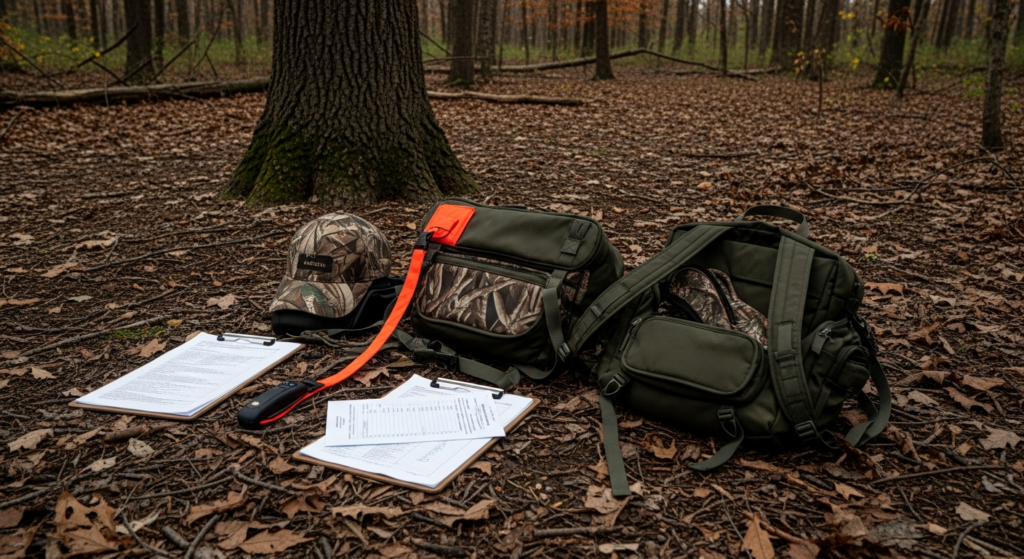
Beyond the immediate hunting gear, general preparedness ensures a comfortable and safe experience. This includes inspecting tents and campers, checking stakes and poles, and washing or airing out sleeping bags and pillows. Filling camping-stove fuel canisters and confirming the presence of cutlery are small but important details. Practicing shooting while wearing hunting clothing helps hunters become accustomed to their gear. Before heading out, packs should be checked for essential items such as tags, snacks, water, licenses, and a first-aid kit. For those hunting on private land, coordinating plans with landowners well in advance is essential. Finally, getting into good physical shape through long hikes and climbs can significantly improve endurance and comfort during demanding hunts in the varied terrain surrounding Clemson.
Why it matters in Clemson
For many in Clemson and the surrounding Upstate region, deer hunting is a cherished tradition and an integral part of the local outdoor culture. The detailed preparations outlined in this guide are not merely suggestions but foundational steps for ensuring safe, ethical, and successful hunts. With access to vast natural areas like Lake Hartwell and Lake Keowee, as well as numerous state parks such as Keowee-Toxaway State Park and Oconee State Park, the community benefits from a strong connection to outdoor recreation. Adhering to these preseason protocols helps preserve the natural resources of Pickens County and ensures that hunting remains a sustainable and respected activity for generations to come, contributing to both local heritage and wildlife management efforts.