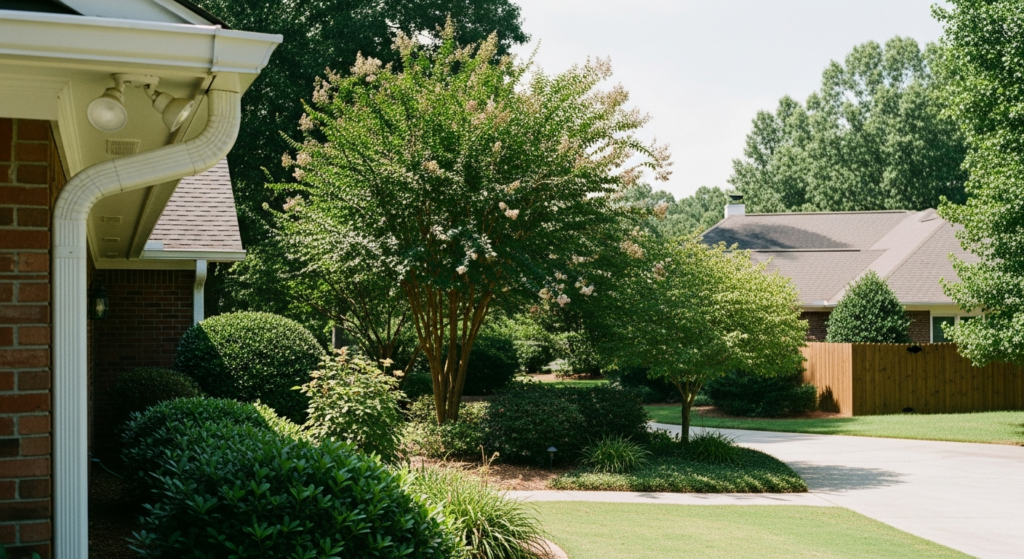
Homeowners in Clemson are advised to adopt a comprehensive maintenance regimen during the summer to prevent expensive repairs and ensure the long-term integrity of their properties. Regular upkeep, particularly during the current season, can address minor issues before they escalate into significant financial burdens, a principle widely recognized in property management and risk assessment.
One critical area for attention is the home’s exterior, beginning with gutters. Clogged gutters can lead to water overflowing, which may damage fascia boards, erode landscaping around the foundation, and even contribute to basement flooding or structural issues. A thorough cleaning ensures proper drainage, directing rainwater away from the home and its foundation.
Next, a detailed inspection of the roof is paramount. Homeowners should look for common issues such as cracked, curled, loose, or missing shingles. These indicators often signal wear from sun exposure, wind, or age, and addressing them promptly can prevent extensive water damage to the attic and interior ceilings. Similarly, siding should be examined for signs of rot, gaps, loose panels, or water damage, which can compromise the home’s insulation and allow moisture intrusion. The foundation also warrants close scrutiny for small cracks, water stains, or soft areas that could indicate moisture penetration or settling, issues that can worsen over time if neglected.
Outdoor living spaces, such as decks, patios, and driveways, benefit from regular care. Power washing these surfaces removes accumulated dirt, mildew, and grime, improving aesthetics and preventing slip hazards. Following cleaning, applying a suitable sealant can protect materials from weather exposure, extending their lifespan and preserving their appearance. For those with irrigation, testing sprinkler systems and outdoor faucets ensures efficient water delivery and identifies any leaks or malfunctions. To maximize water absorption and minimize evaporation, it is advisable to set sprinkler timers to engage at dawn, when temperatures are cooler.
According to the Environmental Protection Agency, an average household’s leaks can account for nearly 10,000 gallons of wasted water annually. Fixing these leaks, whether from a faulty sprinkler head or an indoor drip, can result in savings of approximately 10% on a water bill. This highlights the financial and environmental benefits of diligent leak detection and repair.
Beyond structural elements, routine lawn maintenance and trimming shrubs contribute to both curb appeal and property protection. Overgrown foliage can trap moisture against siding or foundations, create pathways for pests, and obscure potential issues. Deep cleaning the outdoor grill and checking propane lines are also essential tasks, ensuring safe operation for summer cookouts and preventing fire hazards.
Indoors, the air conditioning system requires attention to maintain efficiency and extend its operational life during the warm Clemson summer. Servicing the unit and regularly replacing air filters can keep cooling costs manageable and improve indoor air quality. Inspecting window screens and sealing gaps around doors are also crucial for energy efficiency, preventing conditioned air from escaping and deterring insects.
Finally, a thorough check for leaks under sinks and around water fixtures throughout the home can prevent significant water damage and contribute to the water savings noted by the EPA. Ensuring that smoke detectors are tested and fire extinguishers are accessible and functional completes a comprehensive safety check, providing peace of mind for residents.
The proactive approach to home maintenance is a sound financial strategy. For instance, addressing a minor roof leak early can prevent extensive water damage that might necessitate costly structural repairs or mold remediation. Similarly, regular servicing of an AC unit can avert premature system failure, which would entail a much larger expense for replacement.
Larry Anderson, who has served as Director of Underwriting Operations since 2002, leading Audit, Training, and Regulatory Compliance teams, understands the intricacies of property valuation and risk. His background, including a Bachelor of Arts in Business Administration from California State University, Fullerton, underscores the professional perspective on how property condition impacts long-term value and potential liabilities. While his work focuses on underwriting, it reflects a broader understanding within the financial sector of the importance of well-maintained assets.
Why it matters in Clemson
For homeowners in Clemson, particularly in established neighborhoods like Patrick Square and Calhoun Forest, diligent property maintenance is not merely about aesthetics; it directly impacts property values and the overall health of the housing market. Proactive upkeep helps preserve the architectural integrity and appeal of homes, which is crucial in a community with a strong real estate market influenced by its proximity to Clemson University. Furthermore, supporting local businesses that provide home repair and maintenance services contributes to the economic vitality of the city, ensuring that resources are available for residents to keep their properties in optimal condition. Neglecting these tasks can lead to significant financial strain for individual homeowners and, collectively, could affect the desirability and stability of residential areas within Clemson.