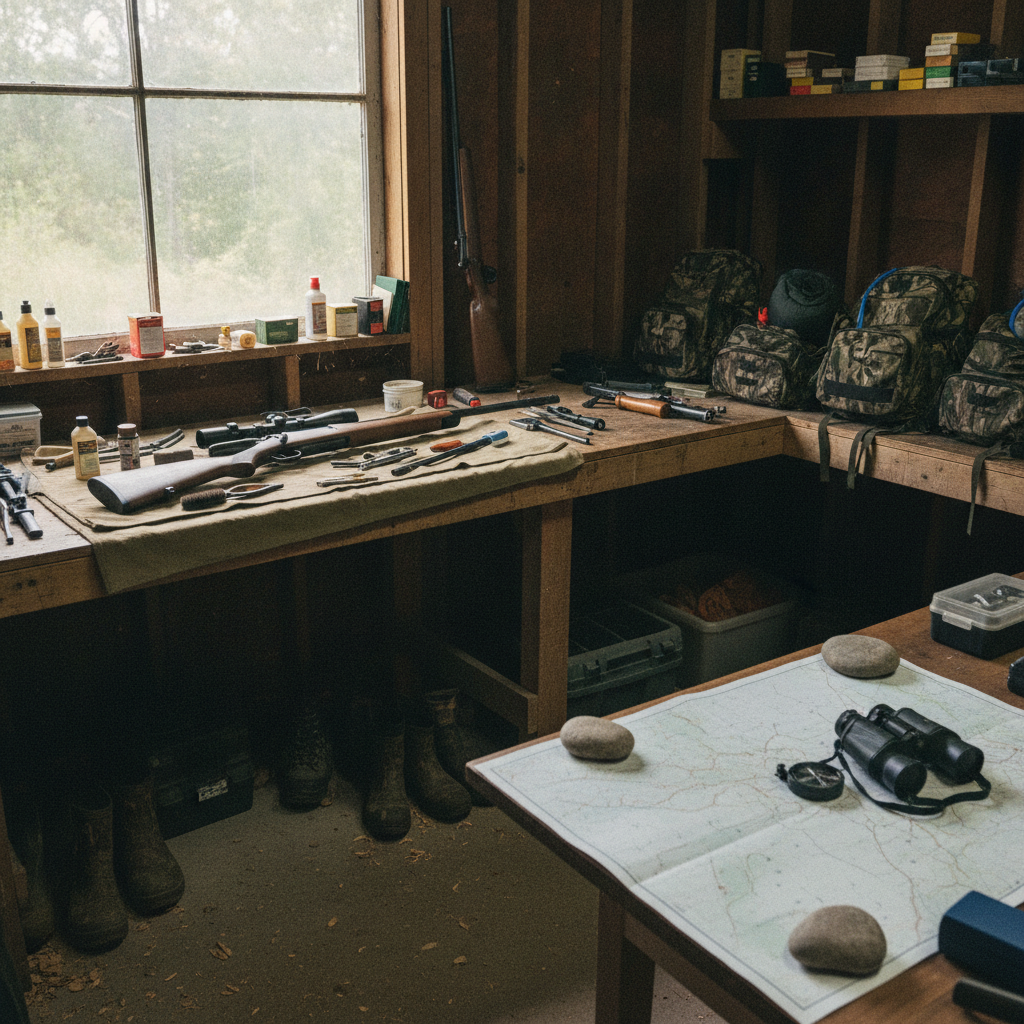
As the annual deer season draws near, hunters throughout Clemson and the broader Pickens County area are meticulously preparing for the months ahead. The period leading up to opening day is critical for ensuring equipment reliability, personal safety, and a thorough understanding of hunting grounds. This preseason regimen encompasses everything from detailed weapon inspections to advanced navigation planning and physical conditioning.
Weapon and optics preparation forms a cornerstone of the preseason checklist. For archers, this involves a thorough examination of bow limbs, cams, and strings for any signs of wear, fraying, or separation that could compromise performance or safety. Waxing bowstrings is a routine maintenance step that extends their life and ensures smooth operation. Rifle hunters, conversely, focus on cleaning and oiling their firearms to prevent corrosion and ensure mechanical integrity. A critical step for both is verifying scope mounting and zero, ensuring that sights are perfectly aligned for accuracy. Additionally, archers are advised to use an arrow spinner to check broadhead straightness and alignment, a detail that can significantly impact arrow flight and ethical harvesting.
Clothing and footwear also demand significant attention. Hunters are advised to wash all gear with scent-free detergents to minimize human odor, which can alert deer to their presence. A detailed inspection for holes, worn seams, or fading is crucial, as these can compromise camouflage, warmth, or waterproofing. For those investing in new footwear, breaking in boots well before the season begins is essential to prevent discomfort and blisters during long treks through the varied terrain around Lake Hartwell and Lake Keowee. Verifying the waterproofing of all outer layers and boots is equally important, particularly given the unpredictable summer and early fall weather patterns in the Upstate region.
Safety and navigation are paramount concerns for any hunter. Preseason inspections of treestands, ladder stands, and climbing sticks are non-negotiable. Hunters must meticulously check for rust, loose fasteners, cracks, or frayed straps that could lead to catastrophic failure. A full-body harness, a critical piece of safety equipment, should be tested to ensure it functions correctly and fits properly, always used in conjunction with a lifeline when ascending or descending. For navigation, charging handheld GPS units or downloading and updating mapping applications on smartphones is vital. These tools help hunters navigate dense woods, mark key locations, and prevent getting disoriented in areas like those surrounding Keowee-Toxaway State Park or the Seneca River watershed.
Advanced mapping technologies are increasingly becoming a standard part of a hunter’s toolkit. Platforms like Xtra offer enhanced mapping capabilities that provide detailed property boundaries, landowner names and addresses, and critical property information. These features are invaluable for hunters seeking to ensure they are on legal hunting grounds and for coordinating access with private landowners in Pickens County. The platform also includes advanced on-the-ground navigation tools, custom pin and path drawing features, and shape and path drawing tools, allowing hunters to meticulously plan their routes and identify strategic locations. Such comprehensive digital mapping plans are available starting at approximately $4 a month, offering a cost-effective way to enhance situational awareness.
Effective game camera placement and setup are also key to understanding deer movement and patterns before the season opens. Optimal locations include mineral licks, well-used trails connecting bedding and feeding areas, field edges and corners, and natural water sources. When setting up cameras, hunters should ensure batteries are fully charged and, if still using them, format and label SD cards to avoid data loss. Testing the field of view, motion activation settings, and flash settings is crucial to capture clear, relevant images without spooking game. This intelligence gathering helps hunters make informed decisions about stand placement and hunting strategies.
Beyond the technical aspects, a comprehensive checklist includes several other critical items. Inspecting tents and campers for wear, leaks, or damage is essential for those planning extended stays in the field. Washing or airing out sleeping bags and pillows ensures comfort and hygiene. Filling camping stove fuel canisters prevents unexpected interruptions. Practicing shooting in full hunting clothes helps hunters become accustomed to the feel and movement restrictions they will experience in the field. Double-checking pack contents, including tags, snacks, water, hunting license, and a well-stocked first aid kit, ensures preparedness for any eventuality. Coordinating with landowners on private land is not only a matter of courtesy but often a legal requirement. Finally, getting in proper physical shape through regular exercise and conditioning is crucial for navigating challenging terrain and safely handling game.
Why it matters in Clemson
For Clemson residents, the meticulous preparation for deer season extends beyond individual pursuits, reflecting and contributing to the broader outdoor recreation culture of the Upstate. Local businesses, including sporting goods stores and outdoor outfitters in and around Clemson, often see increased activity as hunters stock up on gear, ammunition, and mapping subscriptions. The responsible hunting practices promoted by these preseason checklists also contribute to wildlife management efforts across Pickens County, ensuring healthy deer populations and sustainable ecosystems. Furthermore, the emphasis on safety, particularly with treestands and navigation, directly impacts the well-being of individuals who recreate in the natural areas surrounding Clemson University and the region’s numerous lakes and rivers, fostering a safer environment for all outdoor enthusiasts.