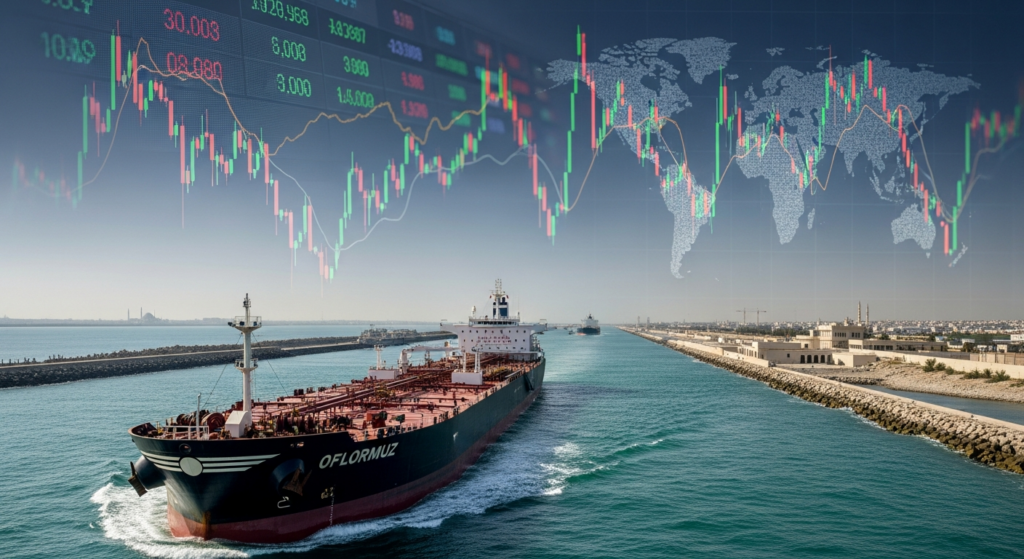
Global oil and stock markets have reacted to renewed tensions surrounding the Strait of Hormuz, with business coverage tying market movement to concerns over oil supply. Investors are currently weighing the risks associated with shipping and potential conflict in the region, leading to shifts in both equity and crude prices.
Market reports indicate that these geopolitical developments are influencing investor sentiment across various sectors. The Strait of Hormuz, a critical chokepoint for global oil shipments, is a key factor in international energy security. Any perceived threat to its stability can trigger immediate responses in commodity markets, particularly for crude oil.
These global market movements, while originating far from South Carolina, can have downstream effects on local economies. Changes in crude oil prices, for instance, often translate into fluctuations at the gas pump and impact the cost of goods and services that rely on transportation. Similarly, volatility in stock markets can affect investment portfolios and broader economic confidence.
### Why it matters in Clemson
The volatility in global oil markets, driven by geopolitical tensions, has direct implications for the economy in Clemson. For residents, fluctuations in crude prices often translate to changes at the gas pump, affecting daily commutes and household budgets. Businesses, including major local employers like Ingles Markets, face increased operational costs for transportation and logistics when fuel prices rise. Clemson University, as a large institution, also monitors energy costs, which can influence budgeting for its extensive campus operations and fleet. While the immediate effects are often gradual, sustained market shifts can impact local consumer spending and the broader economic landscape of Pickens County.