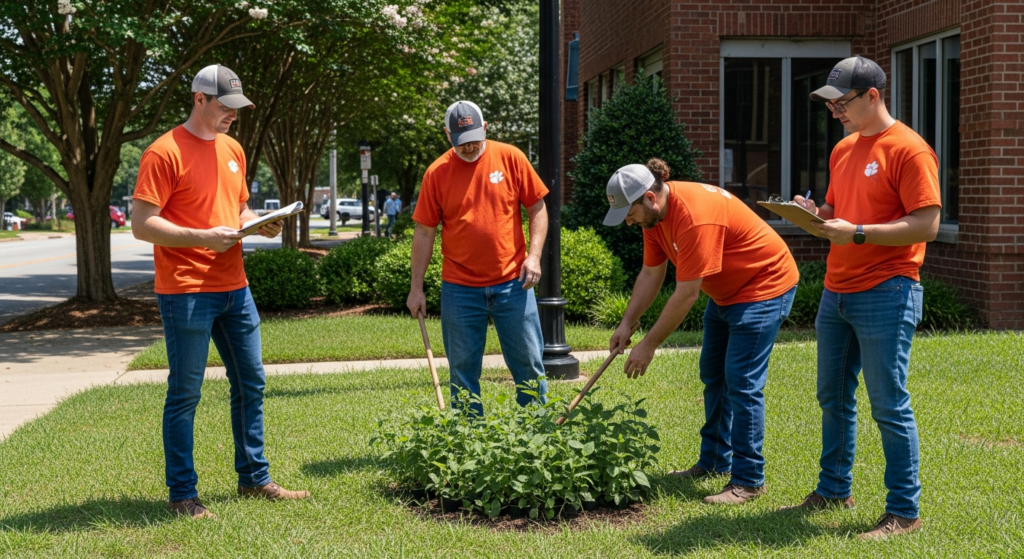
Gardeners in Clemson are adjusting their routines to safeguard plants against the persistent summer heat. As temperatures remain elevated, horticultural guidance points to several key practices for maintaining healthy landscapes and home gardens.
Central to heat-wave gardening is the timing and method of watering. Experts advise watering early in the morning or late in the evening to minimize evaporation and allow water to penetrate the soil before the sun’s intensity increases. Deep watering is crucial, encouraging roots to grow deeper into the soil, where moisture is more consistently available. Shallow, frequent watering can lead to superficial root systems that are more vulnerable to drought stress.
Protecting plants from direct, intense sunlight is another critical measure. Temporary shade structures, such as shade cloths or even strategically placed umbrellas, can provide relief for sensitive plants during the hottest parts of the day. Mulching around plants helps retain soil moisture, regulate soil temperature, and suppress weeds that compete for water. Organic mulches like wood chips, straw, or compost are effective in creating a protective layer over the soil.
During periods of extreme heat, prioritizing plant care becomes essential. Gardeners may need to focus resources on newly planted specimens, container plants, and those showing visible signs of stress, such as wilting or yellowing leaves. Established, drought-tolerant plants typically require less intervention but still benefit from consistent monitoring.
These practices are particularly relevant for residents tending to gardens near the Seneca River or those maintaining landscapes around institutions like Clemson University, where green spaces are a prominent feature of the local environment. Adapting to the current conditions ensures the vitality of both ornamental and edible plants throughout the summer season in Clemson.
### Why it matters in Clemson
The sustained summer heat presents a significant challenge for home gardeners and landscape managers across Clemson. The health of local green spaces, from private yards to the extensive grounds of Clemson University and the South Carolina Botanical Garden, relies on informed care during these conditions. Implementing effective watering and shading strategies helps preserve the aesthetic and ecological value of these areas, mitigating the impact of heat stress on plant life. This collective effort contributes to maintaining the vibrant character of the community’s outdoor environments, ensuring that the region’s natural beauty and agricultural endeavors can thrive despite climatic pressures.