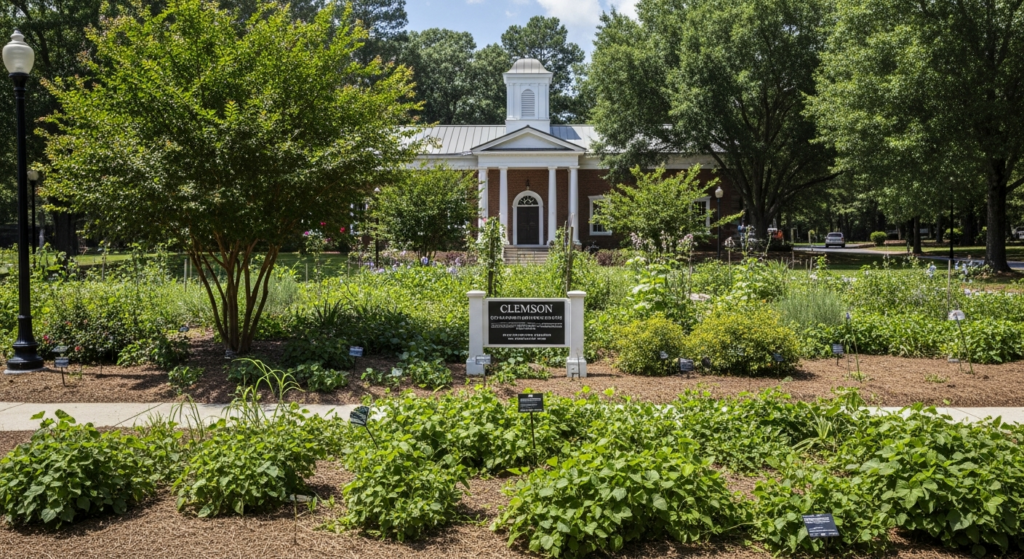
Gardens across Clemson and the wider Upstate region are facing the sustained challenges of summer heat, prompting a renewed focus on effective plant care strategies. Experts in horticulture emphasize deep, infrequent watering, careful timing, and the strategic application of shade as critical measures to help plants thrive, or at least survive, during periods of high temperatures.
One of the primary recommendations for maintaining plant health is deep watering. Instead of frequent, shallow applications, which can encourage surface root growth and make plants more susceptible to drying out, guides suggest delivering approximately one inch of water per week through several deep soaks. This method encourages roots to grow deeper into the soil, where moisture is more consistent and temperatures are cooler, providing greater resilience against heat stress.
Timing is also a crucial factor. Watering when the soil is cooler, typically in the early morning hours, allows plants to absorb moisture before the intense heat of the day causes rapid evaporation. This ensures that the water reaches the root zone effectively and minimizes loss to the atmosphere. Watering during the hottest parts of the day can be less efficient and may even scorch leaves if water droplets act as magnifying lenses in direct sunlight.
Shade plays a significant role in mitigating heat stress. For vulnerable plants, temporary shade structures or strategic planting that utilizes existing trees or buildings can provide crucial relief from direct sun exposure during the hottest hours. This can reduce water loss through transpiration and prevent leaf scorch, particularly for delicate ornamentals or newly established plants in Clemson landscapes.
For plants already showing signs of stress, such as wilting or discolored leaves, a triage approach is often necessary. This may involve increasing the frequency of deep watering slightly, providing immediate shade, or, in severe cases, pruning back damaged foliage to allow the plant to focus its energy on recovery. Understanding the specific needs of different plant species and observing their responses to the environment are key to successful summer gardening in Clemson.
### Why it matters in Clemson
The effective management of gardens and landscapes during summer heat waves holds particular significance for Clemson. The city’s identity is deeply intertwined with its natural beauty, from the meticulously maintained grounds of Clemson University to the numerous home gardens in neighborhoods like Patrick Square and Calhoun Forest. Adopting these expert-recommended watering and shading practices helps preserve the aesthetic appeal of these areas and supports the health of the local ecosystem. For institutions like the South Carolina Botanical Garden, these strategies are vital for maintaining diverse plant collections, while residents benefit from healthier, more resilient home gardens, reducing the need for costly plant replacements and conserving water resources. The collective effort to adapt gardening practices to the summer climate contributes to the overall vibrancy and sustainability of Clemson’s green spaces.