A substantial heat wave is expected to impact much of the eastern United States, including Clemson, over the Fourth of July holiday weekend, with real-feel temperatures potentially soaring to between 100 and 115 degrees. The dangerous combination of heat and humidity is forecast to persist from Friday, July 3, through at least Sunday, July 5, affecting millions ahead of and during the national holiday.
The intense conditions pose particular challenges for home gardeners, outdoor workers, and those planning to celebrate the holiday outdoors in Clemson. Experts advise taking proactive measures to protect plants, conserve water, and ensure personal safety during the prolonged period of extreme heat.
### Protecting Gardens and Landscapes in Clemson
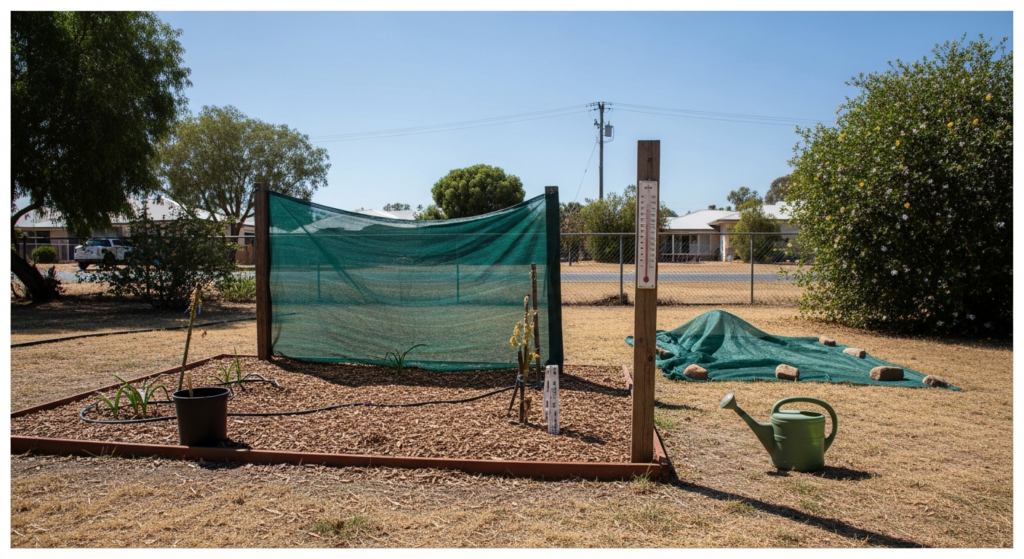
For residents in neighborhoods such as Patrick Square, Calhoun Forest, and Village Walk, maintaining healthy gardens through the heat wave will require strategic effort. Plants, much like people, can suffer from heat stress, leading to wilting, scorching, and even death if not properly managed. Gardeners are advised to adjust their watering schedules to early morning or late evening hours, when temperatures are cooler and evaporation rates are lower. This allows water to penetrate the soil more effectively and reach plant roots before the sun’s intensity increases.
Mulching is another critical defense against the heat. A two-to-four-inch layer of organic mulch around plants helps retain soil moisture, regulate soil temperature, and suppress weeds that compete for water. Materials like pine straw, wood chips, or compost are effective. For delicate plants or newly established beds, temporary shade cloths can provide crucial relief from direct, intense sunlight during the hottest parts of the day. Even moving potted plants into shadier spots or under covered patios can make a significant difference.
Public green spaces, such as the South Carolina Botanical Garden and the grounds of Clemson University, also face the challenge of maintaining their extensive plant collections. While these institutions often have sophisticated irrigation systems and dedicated staff, the sheer intensity of a prolonged heat dome necessitates heightened attention to plant health and water conservation.
### Outdoor Work and Holiday Safety
The heat wave also presents significant risks for individuals working outdoors or participating in holiday festivities. City of Clemson employees, particularly those in public works or parks and recreation, will need to take extra precautions. Similarly, grounds crews at Clemson University and other local employers with outdoor operations must prioritize hydration, frequent breaks in shaded or air-conditioned areas, and monitoring for signs of heat-related illness.
Many Clemson residents traditionally spend the Fourth of July weekend enjoying the area’s natural amenities, including Lake Hartwell, Lake Keowee, and the Seneca River. While these bodies of water offer opportunities for cooling off, the ambient air temperatures and direct sun exposure can still be dangerous. Those planning to boat, swim, or picnic near the water are urged to stay hydrated with plenty of non-alcoholic fluids, wear light-colored and loose-fitting clothing, and seek shade whenever possible. Limiting strenuous activities during the peak heat hours, typically from late morning to late afternoon, is also highly recommended.
Families planning backyard barbecues or other outdoor gatherings in Clemson should consider moving activities to cooler parts of the day or ensuring ample shade and access to indoor, air-conditioned spaces. Grilling and other heat-generating activities can further elevate localized temperatures, making it even more important to monitor guests, especially children and the elderly, for signs of heat stress.
### Broader Implications for Clemson
The extended period of high temperatures and humidity underscores the importance of community preparedness for extreme weather events. While the immediate focus is on the holiday weekend, the lessons learned from managing such conditions can inform long-term strategies for water use, urban planning, and public health initiatives within Clemson. The city’s infrastructure, including its water systems and power grid, will also be under increased demand as residents rely more heavily on air conditioning and irrigation.
### Why it matters in Clemson
This prolonged heat wave carries direct implications for the daily lives and holiday plans of residents across Clemson. From the meticulously cared-for landscapes at the South Carolina Botanical Garden to the backyard vegetable patches in neighborhoods like The Grange, the extreme temperatures will test the resilience of local flora and the vigilance of gardeners. Moreover, the safety of individuals celebrating the Fourth of July at popular spots like Lake Hartwell or W.C. Nettles Park depends on adherence to heat safety guidelines. The strain on resources, particularly water and electricity, could also impact local infrastructure, making careful consumption a community-wide concern. Clemson University, as a major employer and landholder, will also be managing its extensive grounds and ensuring the well-being of any staff working outdoors during this period, setting a precedent for heat safety practices in the area.