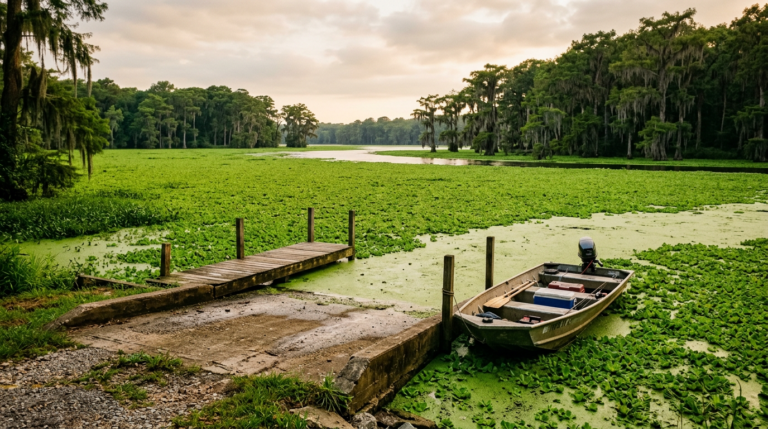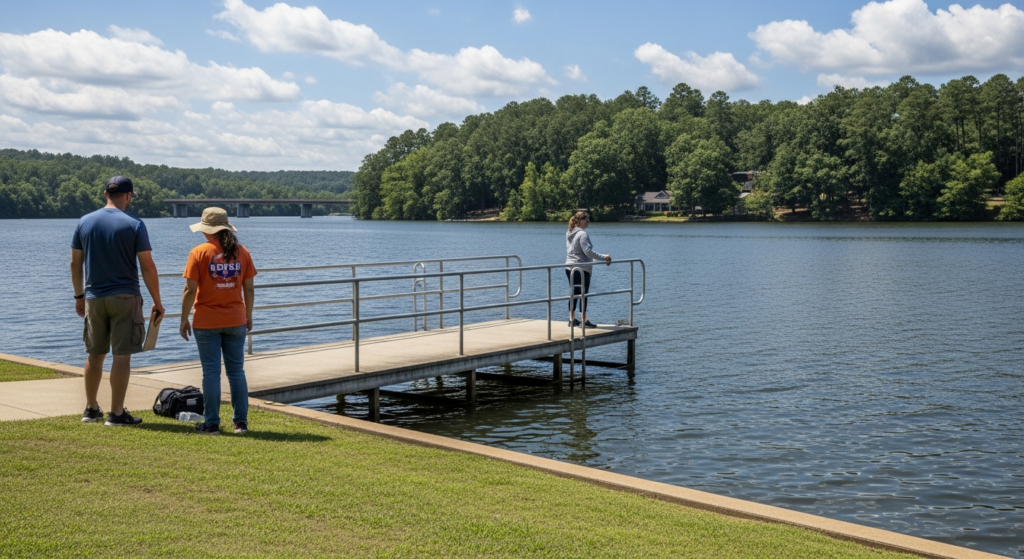
With the extensive network of waterways surrounding Clemson, including Lake Hartwell, Lake Keowee, Lake Jocassee, and the Seneca River, fishing remains a popular summer activity. However, the enjoyment of these natural resources during the warmer months necessitates adherence to specific safety protocols, particularly concerning sun exposure, hydration, and the risks of heat-related illness.
A comprehensive safety guide underscores that the sun’s ultraviolet (UV) rays are most intense between 10 AM and 4 PM. This period coincides with prime fishing hours for many, making awareness of UV exposure crucial. Water surfaces, common across the lakes and rivers in the Clemson area, can reflect up to an additional 15% of UV radiation, intensifying the risk of sunburn and long-term skin damage.
To mitigate these risks, the guide strongly recommends the consistent use of broad-spectrum sunscreen with a minimum SPF of 30. For individuals anticipating extended periods on the water, an SPF of 50+ is advised. Effective application involves applying sunscreen at least 30 minutes before heading outdoors, allowing it to absorb properly. Reapplication every two hours is critical, with more frequent application necessary after sweating heavily or after water exposure, such as splashing or swimming.
Beyond sunscreen, protective clothing plays a vital role in sun safety. Lightweight, long-sleeved clothing with a UPF (Ultraviolet Protection Factor) rating is recommended to create a physical barrier against UV rays. A wide-brimmed hat, offering at least four inches of coverage around the entire head and neck, provides essential shade. Polarized sunglasses that block 100% of UV radiation are also crucial for protecting eyes from both direct and reflected sunlight, which can be particularly harsh on large bodies of water like Lake Hartwell.
Hydration is another cornerstone of summer fishing safety. The guide advises anglers to drink at least eight ounces of water every 15 to 20 minutes, especially during active fishing. This consistent intake helps to replenish fluids lost through perspiration. Beverages high in caffeine or alcohol are specifically cautioned against, as they can act as diuretics and contribute to dehydration, exacerbating the risks associated with heat exposure in the Clemson region’s summer climate.
Understanding the signs of heat-related emergencies is paramount for anyone spending time outdoors. Heat exhaustion symptoms include heavy sweating, general weakness, nausea, headaches, and muscle cramps. If these signs appear, it is important to move to a cooler environment, rest, and rehydrate. Heat stroke, a more severe condition, can manifest with a body temperature exceeding 103°F, an altered mental state, hot and dry skin (though sweating may still occur), a rapid pulse, and potentially unconsciousness. Recognizing these symptoms quickly and seeking immediate medical attention, perhaps at facilities like Prisma Health Oconee Memorial Hospital or AnMed Health, can be life-saving.
For those venturing onto the larger lakes, such as Lake Keowee or Lake Jocassee, by boat, additional precautions are necessary. Before departure, checking the engine cooling system is a fundamental step to prevent breakdowns. Filing a float plan with a trusted contact, detailing the intended route, duration, and number of passengers, provides a critical safety net in case of an emergency. Carrying extra water is non-negotiable, with a recommendation of at least one gallon of water per person per day for emergency use. Essential emergency supplies, including a VHF radio for communication, should also be onboard.
Equipment care is also affected by summer conditions. Direct sunlight and heat can degrade fishing gear. The guide recommends protecting fishing equipment from prolonged exposure to direct sun. Fishing lines, particularly monofilament and fluorocarbon varieties, are susceptible to weakening from heat and UV exposure, necessitating more frequent checks for integrity. Braided lines, conversely, tend to be more UV-resistant and may offer a more durable option for summer angling.
Why it matters in Clemson
The emphasis on summer fishing safety holds particular significance for Clemson. The city’s identity is deeply intertwined with its proximity to major waterways like Lake Hartwell and Lake Keowee, which draw both residents and visitors for recreation. Ensuring the safety of those enjoying these natural assets directly impacts the well-being of the community. Local healthcare providers, including Prisma Health Oconee Memorial Hospital and AnMed Health, are vital resources for addressing heat-related illnesses or accidents on the water. Proactive safety measures reduce the strain on emergency services and allow individuals, including the many students and faculty of Clemson University who engage in outdoor activities, to safely enjoy the region’s abundant natural beauty throughout the summer months. Adherence to these guidelines helps maintain Clemson’s reputation as a welcoming and safe environment for outdoor enthusiasts.