Freshwater fishing continues to attract a growing number of participants across the United States, with an estimated 40 million anglers engaging in the activity. For residents and newcomers to Clemson, the surrounding lakes and rivers offer ample opportunities to join this popular pastime.
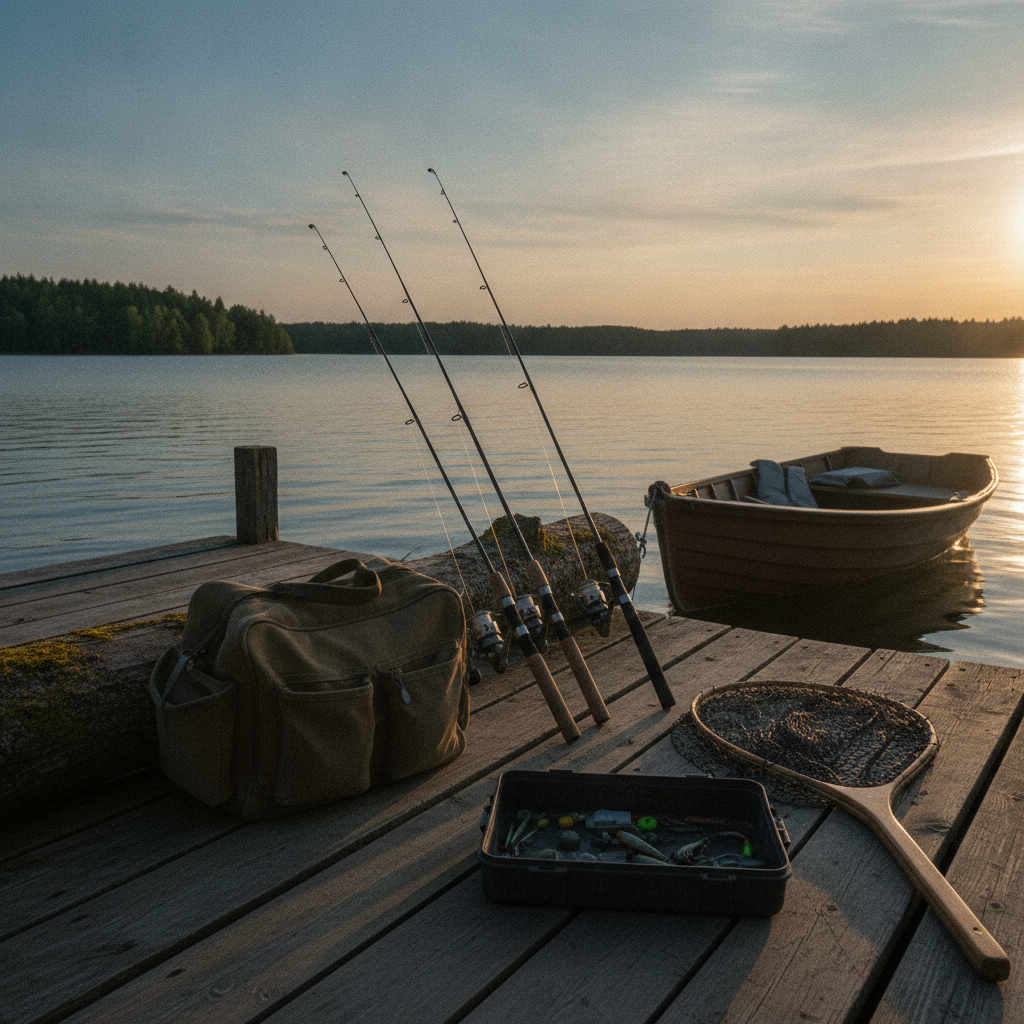
Getting started in freshwater fishing requires a foundational understanding of equipment and technique. For beginners, a few rod and reel combinations are widely recommended for their ease of use and versatility. A 6’6” spincast rod paired with a 150-size spincast reel is often suggested due to its simple push-button operation, which minimizes tangles and makes casting intuitive. Another excellent option is a 6’6” spinning rod with a 2000-size spinning reel, offering more control and sensitivity as skills develop. For those looking to quickly advance, a 7’ baitcasting rod with a 150-size casting reel provides greater accuracy and power, though it has a steeper learning curve.
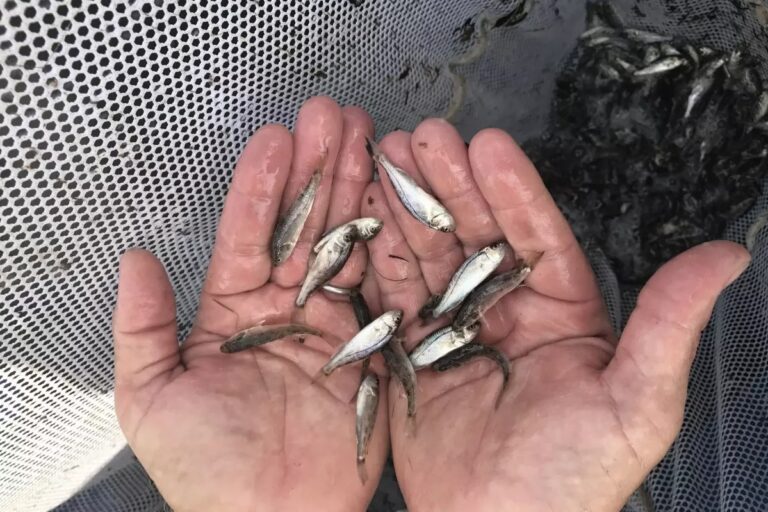
Line choice is also critical. A 10 lb. monofilament or nylon line is a robust and forgiving option for beginners. Its moderate stretch helps absorb sudden pulls from fish, and its visibility is often less of a concern in freshwater environments. When it comes to bait, natural options remain highly effective. Worms, such as nightcrawlers or red wigglers, are universally appealing to a wide range of freshwater species. Minnows, small live fish, are also excellent for attracting predatory fish like bass and crappie.
Beyond live bait, a selection of versatile lures can significantly enhance a beginner’s tackle box. Lure categories recommended for their effectiveness include topwater lures, which mimic prey on the surface; jerkbaits, designed to imitate injured baitfish with an erratic retrieve; crankbaits, which dive to various depths and create vibration; and bottom baits like Texas Rigs or jigs, used to target fish near submerged structures. Vibrating jigs offer a combination of flash and movement, making them effective for covering water and attracting attention.
Specific lure recommendations for those starting out include a soft 5-inch stickbait, which can be rigged in multiple ways for subtle action; a 3/8-ounce spinnerbait, known for its flash and vibration; a shallow-running crankbait that dives between 0 and 5 feet, ideal for targeting fish in shallower areas; and a hollow body frog, perfect for fishing over dense vegetation without snagging.
Finding productive fishing spots in the Clemson area involves utilizing several resources. The South Carolina Department of Natural Resources (SCDNR) website is a primary source for information on public access points, fish stocking programs, and regulations. Local tackle stores, such as those found near Lake Hartwell or Lake Keowee, are invaluable for their firsthand knowledge of current conditions and productive areas. Online fishing message boards and dedicated fishing apps can also provide community-sourced tips and location insights. Before heading out, it is essential to check state regulations and purchase a fishing license online, which is a straightforward process.
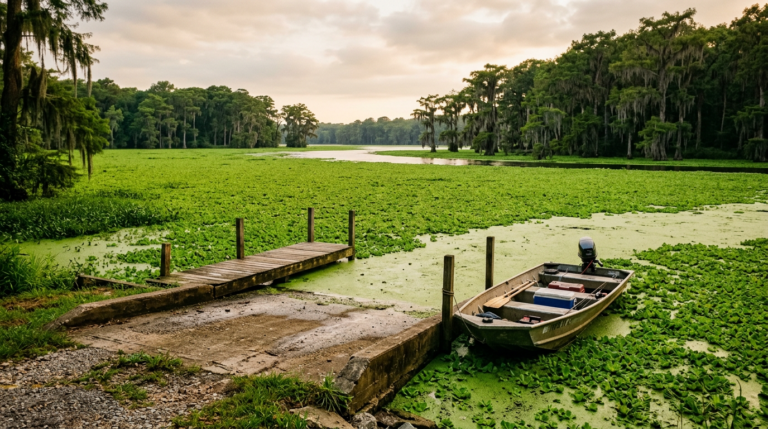
The freshwater bodies surrounding Clemson offer diverse fishing experiences. Pond fishing, often accessible and less intimidating for beginners, can yield species such as bluegill, crappie, sunfish, catfish, and largemouth bass. These fish are typically found near aquatic vegetation, fallen trees, or other structures. Lake fishing in larger bodies of water like Lake Hartwell, Lake Keowee, and Lake Jocassee presents opportunities for both shallow-water species and, in deeper open water, species like lake trout and walleye, though the latter are less common in the immediate Upstate region. Largemouth bass and crappie are particularly popular targets in these larger lakes.
During the summer months in Clemson, fish activity can vary with the heat. Early mornings and late evenings often provide the best opportunities, as water temperatures are cooler and fish are more active. During the hotter parts of the day, fish tend to move to deeper, cooler waters or seek refuge in shaded areas and dense cover. Overcast conditions can extend periods of activity throughout the day, as reduced sunlight makes fish feel more secure. Similarly, light rain can often stimulate feeding, washing insects and nutrients into the water, though anglers should always prioritize safety during storms.
Why it matters in Clemson
The availability of accessible freshwater fishing opportunities is a significant recreational asset for the Clemson community. With major waterways like Lake Hartwell and Lake Keowee bordering the city, fishing provides a popular outdoor activity for Clemson University students, local families, and visitors. The sport supports local businesses, from tackle shops to bait suppliers, and contributes to the region’s tourism economy. Promoting responsible angling practices ensures these natural resources remain vibrant, offering a sustainable recreational outlet that connects residents to the unique aquatic environments of Pickens County and the broader Upstate region. The presence of these natural amenities enhances the quality of life, providing a healthy and engaging pastime that is easily accessible to all skill levels, from novice to experienced angler, right here in Clemson.