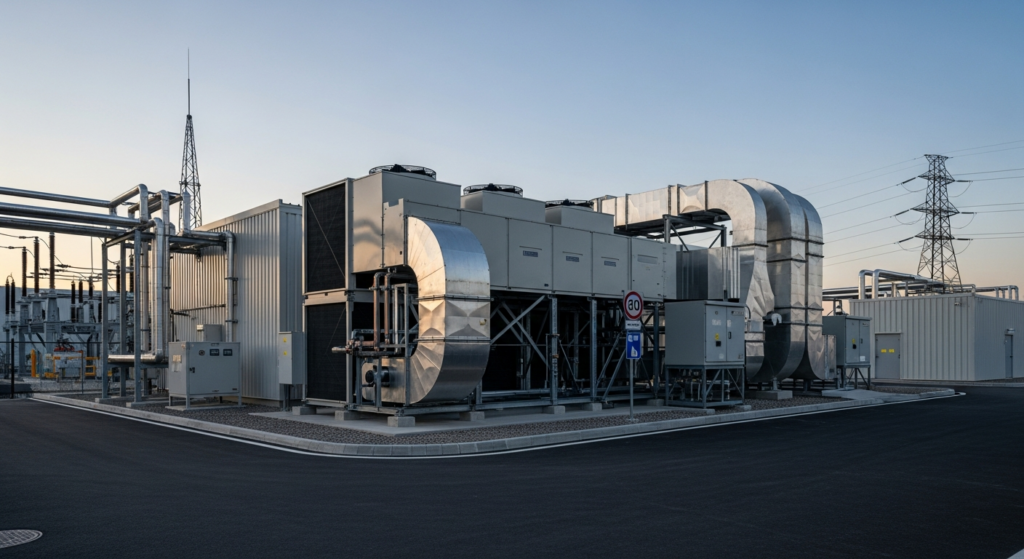
The rapid expansion of artificial intelligence (AI) infrastructure is creating unprecedented demands on electrical grids, making power supply, rather than microchip availability, the primary bottleneck for the technology’s continued growth. This shift in focus is prompting utility companies and local governments across the nation to re-evaluate energy planning and grid reliability, a trend that holds particular relevance for communities like Clemson, with its significant institutional and industrial power consumers.
Industry observers note that the sheer energy requirements of modern AI data centers are pushing existing electrical infrastructure to its limits. These facilities, essential for processing the vast amounts of data required by AI models, consume immense quantities of electricity for both computation and cooling. The cumulative effect of these demands is raising concerns about the stability and capacity of regional power grids.
For the Upstate region, including Clemson, this evolving landscape presents both challenges and opportunities. Major employers and institutions, such as Clemson University, are substantial consumers of electricity. As a leading research institution, Clemson University’s ongoing advancements in various fields, some of which may involve high-performance computing and AI applications, would inherently contribute to local power demand. The university’s operations, along with those of other large entities like BASF Corporation’s Pickens County operations and Prisma Health Oconee Memorial Hospital, rely on a robust and reliable power supply.
Local officials in Clemson and Pickens County are tasked with long-range infrastructure planning that must now increasingly account for these emerging technological demands. Mayor Robert Halfacre and City Administrator David ‘Andy’ Blondeau, alongside County Council Chair Alex Saitta and County Administrator Kenneth Roper, oversee the strategic development that ensures essential services and supports economic growth. The reliability of the power grid is a foundational element for both residential life and the operations of major employers within the city and surrounding county.
The challenge extends beyond simply generating more electricity; it involves upgrading transmission and distribution networks to handle increased loads without compromising reliability. The current grid infrastructure was largely designed for different patterns of demand, and the concentrated, high-density power draw of AI data centers requires significant investment and foresight from local power providers. While specific data center projects in the immediate Clemson area have not been announced, the broader trend indicates that all communities with significant technological or industrial footprints will need to consider their energy future.
Ensuring grid reliability in the face of these new demands requires coordinated efforts between utility companies, state regulators, and local planning departments. The presence of significant water resources in the region, such as the Seneca River, Keowee River, and Lake Hartwell, which are often integral to power generation and cooling processes, may play a role in future energy strategies for the area, though specific plans remain under discussion at the regional level.
The discussions around AI’s power footprint are not merely theoretical; they translate into concrete planning for infrastructure upgrades, potential new energy projects, and considerations for land use and zoning. The long lead times required for power plant construction and grid modernization mean that decisions made today will shape the energy landscape for decades to come. The goal is to accommodate technological progress without jeopardizing the consistent power supply that residents and businesses in Clemson depend on.
### Why it matters in Clemson
The escalating power demands of artificial intelligence infrastructure directly impact Clemson by placing increased pressure on regional electrical grids, a critical concern for institutions like Clemson University. As a major research university and the city’s largest employer, Clemson University relies on a stable and robust power supply for its academic, research, and operational needs. Any strain on the grid could affect campus facilities, research labs, and the daily lives of faculty, staff, and students. Furthermore, the need for enhanced grid capacity could influence future infrastructure development and economic planning within the city, requiring proactive engagement from local officials and utility providers to ensure Clemson remains resilient in a technologically evolving landscape.