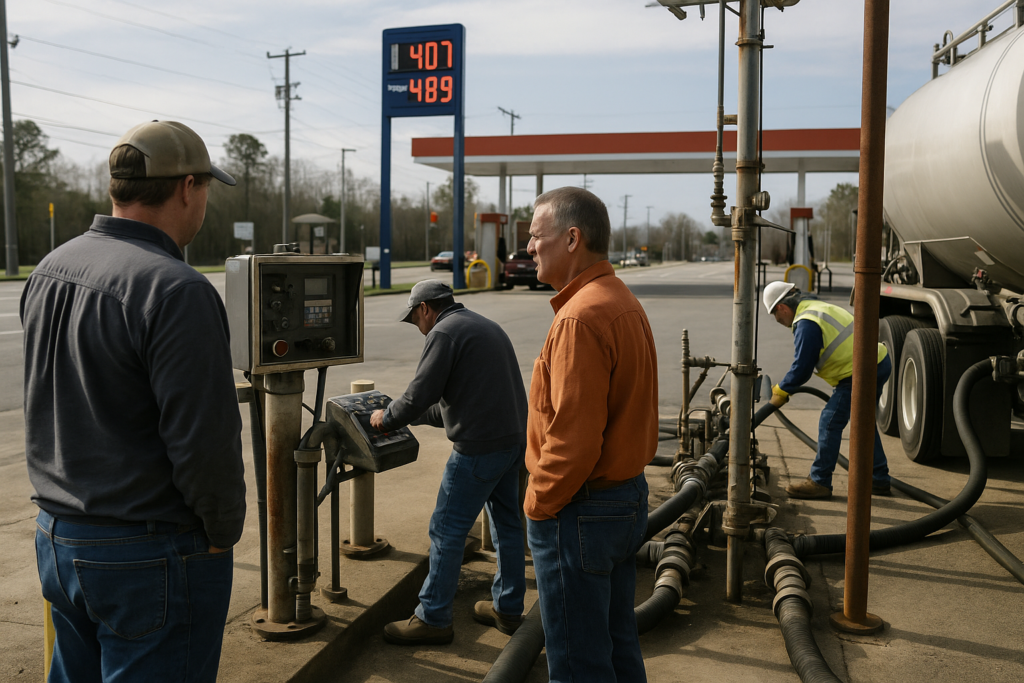
Crude oil prices have shown volatility recently, influenced by the Iran sanctions waiver and expectations surrounding the flow of oil through the Strait of Hormuz. As markets absorb these developments, local gas prices in Clemson are likely to reflect these changes, impacting both consumers and businesses.
Reports indicate that oil prices gained momentum following a recent selloff, with Brent crude hovering around $77.70 per barrel. This rebound is attributed to easing geopolitical tensions and a temporary license allowing Iranian oil sales. Investors are closely monitoring the situation, particularly the potential for increased supply from the Strait of Hormuz, a critical chokepoint for global oil transportation.
The implications of fluctuating oil prices extend beyond the immediate market. Local businesses in Clemson, especially those reliant on transportation and logistics, may face increased operational costs. Higher fuel prices can lead to inflationary pressures, affecting everything from consumer goods to service rates. As a result, residents may notice changes at the pump as these factors play out in the local economy.
In the context of Clemson, the local economy is significantly influenced by the primary industries of higher education and healthcare, both of which depend on stable fuel prices. As gas prices rise, the cost of commuting for students and staff at Clemson University and Tri-County Technical College could increase, potentially affecting enrollment and attendance.
Additionally, local employers, including Prisma Health Oconee Memorial Hospital and AnMed Health, may experience rising costs associated with fuel for their transportation services. These shifts could lead to adjustments in pricing strategies or operational efficiencies as businesses navigate the changing landscape.
As the situation develops, residents and local businesses will be watching closely to see how these global oil market trends affect their daily lives and economic stability in Clemson. With the summer months often leading to increased travel and tourism, the impact of fuel prices could be particularly pronounced in the coming weeks.