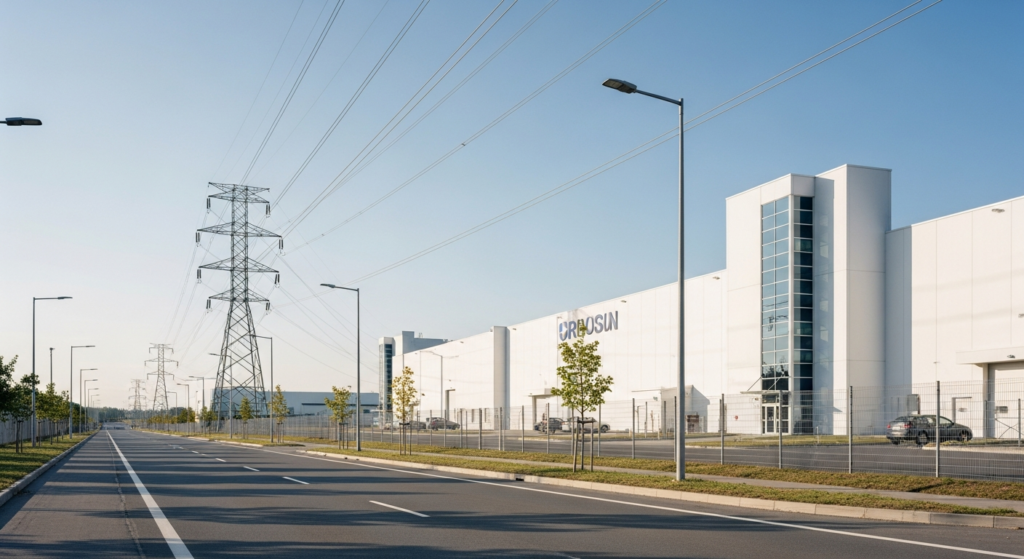
Opponents of the rapid expansion of data centers across the United States staged or planned coordinated protests in at least 125 locations during the July 18 weekend. This widespread action marked the first nationally coordinated effort specifically targeting the backlash against artificial intelligence (AI) infrastructure expansion, drawing attention to a range of community concerns.
The protests, which spanned numerous states with Texas reporting 16 planned actions and Georgia 11, focused on several key issues: the transparency of development processes, the potential for increased electricity costs, significant water usage by these facilities, environmental pollution, and the adequacy of local approval mechanisms. While no specific data center proposals or related protests have been reported in Clemson, the concerns raised nationally highlight considerations that could become relevant as technology infrastructure continues to evolve and expand across the region.
At the heart of the national opposition is the perceived lack of transparency in how data center projects are initiated and approved. Critics argue that communities often find themselves reacting to proposals rather than being proactively involved in discussions about the long-term implications of such large-scale developments. For a city like Clemson, where growth is often balanced with the preservation of natural resources and community character, transparent processes involving the City of Clemson government and Pickens County officials would be paramount should any similar infrastructure be considered. Decisions regarding zoning, land use, and environmental impact would typically involve public hearings and input from residents, ensuring that the voices of those living in neighborhoods such as Patrick Square or Calhoun Forest are heard.
Another significant concern highlighted by the national protests is the substantial electricity demand of AI data centers. These facilities operate 24/7, consuming vast amounts of power to run servers and maintain optimal cooling temperatures. An influx of such energy-intensive operations could place considerable strain on existing electrical grids and potentially lead to higher electricity costs for local businesses, residents, and major institutions. In Clemson, entities like Clemson University, a primary employer and significant energy consumer, along with healthcare providers such as Prisma Health Oconee Memorial Hospital and AnMed Health, rely on a stable and affordable power supply. Any development that could destabilize this or drive up costs would necessitate careful evaluation by local authorities and utility providers.
Water usage is another critical point of contention. Data centers require immense quantities of water for their cooling systems, often drawing from local municipal supplies or natural bodies of water. The national protests underscored fears that this demand could deplete local water resources, particularly in areas already facing water stress or where water is a vital component of the local economy and environment. Clemson is situated within a region rich with water resources, including Lake Hartwell, Lake Keowee, Seneca River, and Keowee River. These bodies of water are essential for recreation, local ecosystems, and as sources for residential and agricultural use. Any proposal for a facility with high water demands would inevitably raise questions about its impact on these critical resources and the long-term sustainability of the region’s water supply.
Environmental pollution, encompassing both noise and heat, also featured prominently in the national dialogue. The constant hum of cooling towers and the discharge of warm air from data centers can be disruptive to nearby residential areas and natural habitats. While specific pollution concerns vary by location, the potential for increased noise levels or localized heat islands could be a factor in Clemson, particularly if a data center were to be sited near established neighborhoods like Village Walk or Clemson Downs, or close to natural areas such as the South Carolina Botanical Garden. Local planning and environmental review processes would need to thoroughly assess and mitigate any such impacts.
Finally, the protests called for more robust local approval processes. Many communities feel that current regulations do not adequately address the unique challenges posed by modern data center developments, particularly those driven by the rapid advancements in AI. This often leads to expedited approvals without sufficient public discourse or environmental impact assessments. In Clemson, the City Council, led by Mayor Robert Halfacre, and the Pickens County Council, chaired by Alex Saitta, would be responsible for navigating these complex approval processes. Ensuring that these processes are thorough, transparent, and allow for meaningful public participation would be crucial for any large-scale infrastructure project.
A public opinion poll cited in connection with the national protests found that only 14 percent of respondents supported having an AI data center built in their own community. This sentiment underscores the broader public apprehension surrounding these facilities and the need for comprehensive community engagement and clear communication from developers and local governments.
Why it matters in Clemson
The national wave of protests against AI data center expansion serves as a significant indicator of growing public concern over the environmental, economic, and social impacts of large-scale technological infrastructure. For Clemson, a city deeply connected to its natural environment and home to a major educational institution like Clemson University, these concerns are particularly relevant. While no data center proposals are currently active in the immediate area, the discussions around electricity demand, water usage from vital resources like Lake Hartwell and the Seneca River, and transparent local approval processes involving the City of Clemson and Pickens County officials offer a framework for future planning. Understanding these national trends can help local leaders and residents anticipate potential challenges and ensure that any future development aligns with the community’s values and long-term sustainability goals.