Anglers across Clemson and the wider Upstate region are being reminded to adhere to comprehensive safety guidelines as they pursue fishing opportunities on local lakes and rivers. With August temperatures typical for the summer season, the emphasis is on preventing heat-related illnesses and protecting against sun exposure, particularly during peak hours on open water.
One of the primary concerns for those spending extended periods outdoors is the intense solar radiation. The sun’s ultraviolet (UV) rays are at their strongest between 10 AM and 4 PM. Water surfaces, such as those found on Lake Hartwell, Lake Keowee, and the Seneca River, can reflect up to 15% of UV radiation, significantly increasing exposure risks. To combat this, experts recommend applying broad-spectrum sunscreen with an SPF of at least 30, with SPF 50 or higher advised for prolonged water activities. Sunscreen should be applied approximately 30 minutes before heading outdoors and reapplied every two hours, or more frequently if an individual is sweating heavily or has been splashed.
Beyond topical protection, appropriate clothing and accessories play a crucial role. Lightweight, long-sleeved clothing with a UPF (Ultraviolet Protection Factor) rating can offer substantial defense against UV rays. Light-colored garments are also recommended as they reflect sunlight more effectively than darker hues, helping to keep the body cooler. A wide-brimmed hat, providing at least four inches of coverage around the entire head and neck, is essential. Polarized sunglasses that block 100% of UV radiation are also vital for protecting eye health and improving visibility on the water, reducing glare that can obscure underwater features or fish.
Hydration is another cornerstone of summer safety. Anglers are advised to drink at least eight ounces of water every 15 to 20 minutes while actively fishing. It is important to avoid beverages high in caffeine or alcohol, as these can contribute to dehydration. For those engaging in strenuous activity or experiencing significant sweating, sports drinks can be beneficial in replacing electrolytes lost through perspiration, helping to maintain the body’s fluid balance.
Understanding the warning signs of heat-related emergencies is paramount for anyone spending time outdoors in Clemson’s summer climate. Heat exhaustion, a less severe but still serious condition, manifests through heavy sweating, general weakness, nausea, headaches, and muscle cramps. If these symptoms appear, individuals should move to a cooler environment, rest, and rehydrate. More critically, heat stroke is a medical emergency requiring immediate attention. Its symptoms include a body temperature exceeding 103°F, an altered mental state (such as confusion or disorientation), hot and dry skin (though sweating may still be present), a rapid pulse, and potential unconsciousness. In such cases, calling 911 immediately and initiating aggressive cooling measures, such as applying cool, wet cloths or immersing the person in cool water, is critical.
Strategic planning can also mitigate risks. Fishing during cooler parts of the day, such as before sunrise or during the evening hours, is highly recommended. If fishing during peak heat, seeking out shaded areas, deeper water, or covered structures can provide some respite from direct sun exposure. Many of the coves and deeper channels on Lake Keowee and Lake Jocassee offer such opportunities.
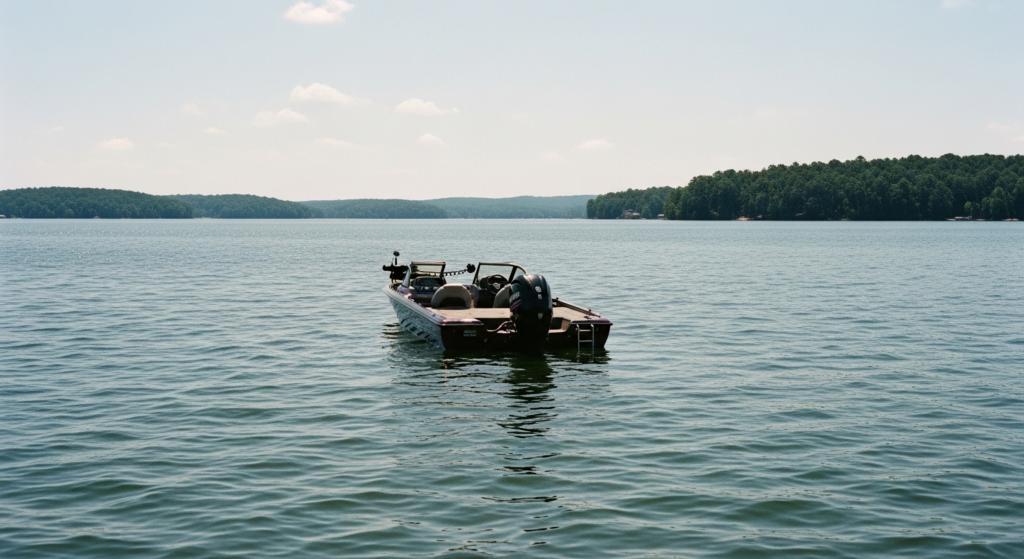
For those venturing onto the larger bodies of water, such as Lake Hartwell, boat safety protocols are equally important. Boat anglers should routinely check their engine cooling systems to prevent breakdowns and ensure all required safety equipment is onboard and in good working order. Filing a float plan with a trusted contact, detailing the planned route and expected return time, is a prudent measure. Carrying extra water and emergency supplies, including a VHF radio for communication in areas with limited cell service, is also advised. A general guideline for emergency preparedness is to have at least one gallon of water per person per day onboard.
Why it matters in Clemson
Clemson, with its proximity to major recreational waterways like Lake Hartwell, Lake Keowee, and the Seneca River, sees a significant number of residents and visitors engaging in fishing and boating activities throughout the summer. The health and safety guidelines outlined are particularly relevant for students and faculty at Clemson University who utilize these natural resources, as well as families and individuals living in neighborhoods such as Patrick Square and Calhoun Forest. Adhering to these precautions can prevent serious medical incidents, reducing strain on local emergency services, including those provided by Prisma Health Oconee Memorial Hospital, and ensuring that the community can safely enjoy the natural beauty and recreational opportunities that define the region during the warmer months. These measures contribute to the overall well-being and safety of everyone recreating on Clemson’s waters.