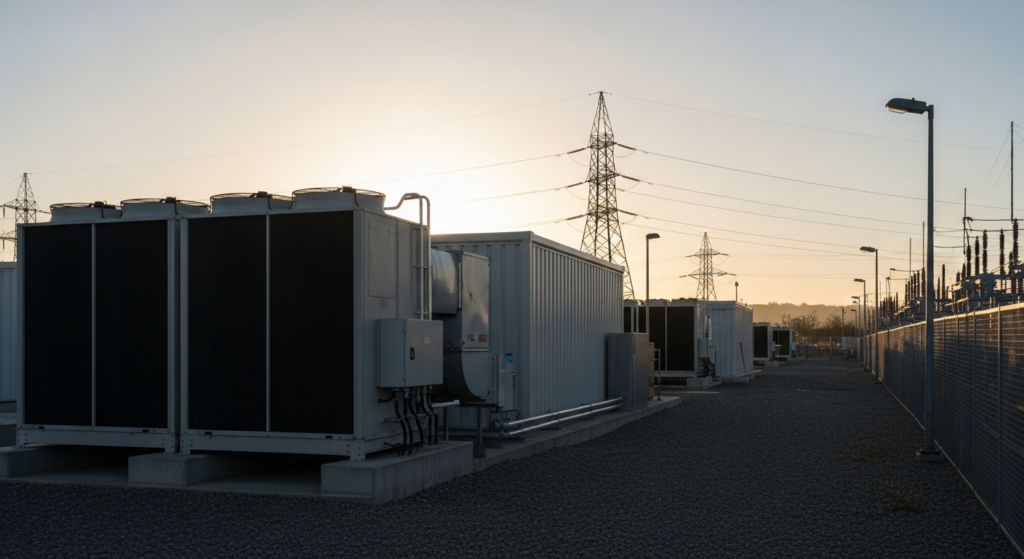
Meta, the technology conglomerate, is preparing to begin manufacturing an in-house artificial intelligence chip in September, a move signaling a broader industry push to expand computing capacity for AI development. This initiative is part of Meta’s strategy to bolster its internal training and inference accelerator program, aiming to augment existing graphics processing units (GPUs) with custom hardware.
The company’s ambitious plans include expanding its overall computing capacity significantly, targeting an estimated 14 gigawatts by 2027. Such a substantial increase in computational power reflects the escalating demands of developing and deploying advanced AI models, which require immense energy and specialized hardware to operate efficiently.
The trend of major technology firms developing their own silicon is not new, but Meta’s entry into in-house AI chip manufacturing highlights a critical juncture in the AI infrastructure buildout. This shift is driven by the need for greater control over hardware design, optimization for specific AI workloads, and potentially reducing reliance on external suppliers for core components. For the broader technology sector, this signifies continued investment in the foundational elements of AI, from chip design and manufacturing to the massive data centers required to house these systems.
While Meta’s manufacturing operations are not located in the immediate vicinity of Clemson, the ripple effects of such large-scale technology investments extend across the nation, influencing talent pipelines, research priorities, and regional infrastructure. Institutions like Clemson University, with its robust engineering and computer science programs, play a vital role in preparing the next generation of professionals who will contribute to this evolving technological landscape.
The demand for highly skilled engineers, data scientists, and technicians capable of working with advanced AI systems is projected to grow. Clemson University’s focus on cutting-edge research and education in areas relevant to artificial intelligence positions its graduates to enter a competitive and rapidly expanding job market. Furthermore, the broader energy demands implied by Meta’s 14-gigawatt target for computing capacity underscore the increasing strain on utility providers and the need for resilient energy infrastructure across the Upstate region.
The ongoing expansion of AI infrastructure also impacts technology suppliers and business spending at a national level. While direct local suppliers to Meta’s chip production may not be immediately apparent in Clemson, the overall economic activity generated by these investments can indirectly benefit local economies through increased demand for ancillary services, skilled labor, and a general uplift in the tech sector’s economic footprint.
### Why it matters in Clemson
Meta’s strategic move into in-house AI chip production, alongside its significant computing capacity goals, holds relevance for Clemson through its impact on education and regional infrastructure. Clemson University, a cornerstone institution in the city, is directly involved in cultivating the talent pool necessary for the advanced technology sector. Its engineering and computer science departments are crucial in preparing students for careers in AI development, hardware optimization, and data management. The School District of Pickens County also plays a role in foundational STEM education, feeding into this pipeline. The immense energy demands projected by Meta’s expansion also highlight the broader regional need for robust and sustainable utility infrastructure, a consideration for any growing area in the Upstate.