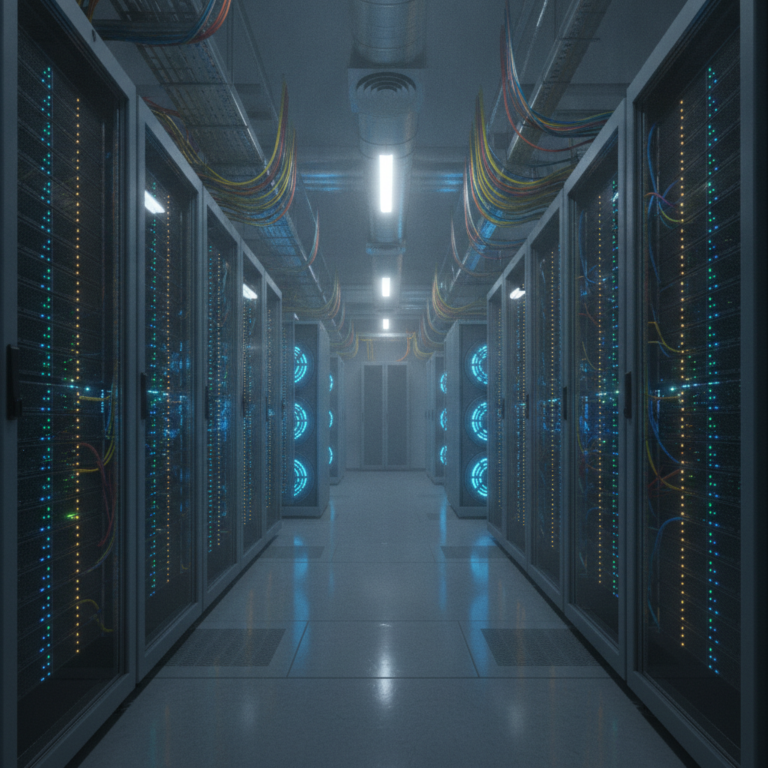
The burgeoning demand for artificial intelligence infrastructure is creating a ripple effect across the global technology supply chain, with industry analysts pointing to tighter memory and storage supplies as a direct consequence. This intensified competition for critical components is expected to exert upward pressure on the prices of consumer electronics.
At the core of this trend is the insatiable need for high-performance memory chips required by advanced AI systems. Training complex AI models, processing vast datasets, and enabling sophisticated algorithms demand immense computational power and, crucially, massive amounts of specialized memory. Data centers and AI development firms are procuring these components in unprecedented volumes to build and expand their capabilities.
This surge in demand from the AI sector directly impacts the broader electronics market. Memory chip manufacturers, facing high-volume orders for AI applications, may prioritize these lucrative contracts. This can lead to reduced availability or increased costs for the same or similar memory components used in a wide array of consumer devices. The supply chain, already complex, becomes further strained as different segments of the technology industry vie for limited resources.
The direct implication for consumers is the potential for higher retail prices on new computers, including laptops and desktop machines, as well as gaming consoles and other smart devices that rely heavily on advanced memory for their performance. While the exact timing and magnitude of these price adjustments can vary, the underlying market dynamics suggest a sustained period of elevated component costs.
This trend is not confined to any single region but represents a global market shift. Technology and business outlets worldwide have highlighted how AI infrastructure’s memory requirements are tightening the overall supply of these essential components. For consumers making purchasing decisions, understanding these broader market forces becomes increasingly relevant.
In Clemson, residents, students at Clemson University and Tri-County Technical College, and local businesses are all part of this global market. Whether purchasing a new laptop for academic pursuits, upgrading a home gaming system, or acquiring equipment for a small business, the pricing of these devices is influenced by these international supply dynamics. The local availability and cost of consumer electronics will reflect these global shifts.
This situation could affect household budgets as families consider technology upgrades or replacements. Similarly, institutions like Clemson University, which regularly procure large quantities of computing equipment for research, teaching labs, and administrative functions, may face increased costs in their technology budgets, potentially influencing procurement strategies for the coming years.