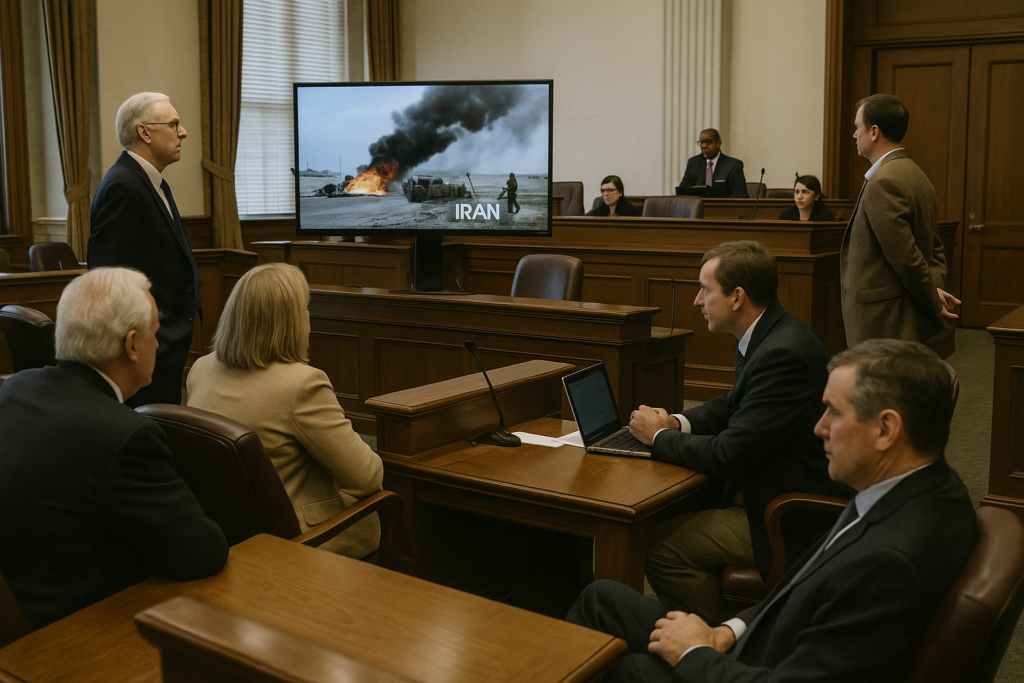
Lawmakers in Washington have returned to a heated debate regarding the financial and strategic implications of the ongoing conflict in Iran. Central to the discussion is a request from the Pentagon for approximately $80 billion, primarily aimed at covering the costs associated with military operations in the region. This figure has raised significant concerns among members of Congress, who are questioning whether the conflict has been adequately authorized and whether its costs can be justified.
The debate is not just about numbers; it touches on broader issues of war powers and congressional oversight. Senators from both parties are demanding more comprehensive briefings on the emerging framework of U.S.-Iran relations and the administration’s future steps. The political stakes are high as lawmakers grapple with the implications of military engagement, appropriations, and sanctions policy.
In Clemson, local representatives are closely monitoring the situation, recognizing that decisions made in Congress could have far-reaching consequences for their constituents. The conversations in Washington reflect a growing concern about the balance of power between the legislative and executive branches when it comes to military action. This scrutiny is particularly relevant given the historical context of U.S. military interventions and the lessons learned from past conflicts.
The financial implications of the Iran conflict are significant, and lawmakers are keenly aware of the need for transparency and accountability in military spending. As Congress debates the merits of continued engagement in the region, the voices of local constituents may play a crucial role in shaping the narrative. Representatives from Clemson are expected to advocate for a thorough examination of the costs and benefits associated with the military campaign, ensuring that the interests of their constituents are represented in the national dialogue.
The ongoing discussions in Congress also highlight the importance of understanding the strategic objectives behind U.S. military actions abroad. As lawmakers seek answers regarding the authorization of military force, they are also considering the long-term implications for U.S. foreign policy and national security. The potential for a ceasefire agreement with Iran adds another layer of complexity to the debate, as lawmakers weigh the risks and rewards of diplomatic engagement versus military action.
As the situation evolves, it is clear that the intersection of military spending and congressional oversight will remain a focal point of discussion. For residents of Clemson, the outcomes of these debates could influence not only national policy but also local economic conditions, particularly in sectors reliant on federal funding and military contracts.
In conclusion, the ongoing discussions in Congress regarding the Iran conflict underscore the critical nature of financial accountability and strategic oversight in U.S. foreign policy. Local representatives are poised to ensure that the voices of their constituents are heard as these important decisions unfold.