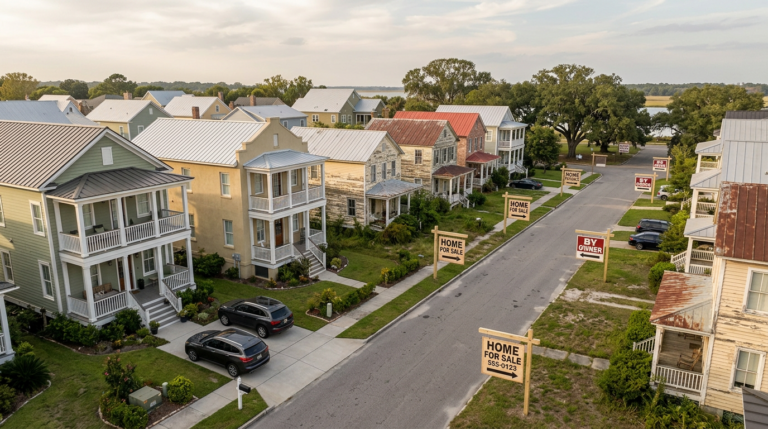
Aiken residents considering a home purchase or refinancing are seeing mortgage rates tick higher this week, with the average long-term US home loan rate nearing its recent annual high. On Thursday, the benchmark 30-year fixed rate mortgage increased to 6.66% from 6.65% the previous week, according to mortgage buyer Freddie Mac. This rate is now back to where it stood four weeks ago and is just below the year’s high of 6.69% reached earlier this month. A year ago, the average rate was 6.56%.
Higher mortgage rates can significantly impact purchasing power for homebuyers in Aiken and across the nation, potentially adding hundreds of dollars to monthly costs. This trend can lead prospective buyers to delay home purchases, contributing to a continued slowdown in US home sales this year. The median home sale price in Aiken County recently stood at approximately $347,450, reflecting a 31.2% year-over-year increase, making rate fluctuations particularly impactful for local buyers.
Borrowing costs for 15-year fixed-rate mortgages, often used for refinancing, also increased this week, rising to 5.98% from 5.95% last week. A year ago, this rate was 5.69%.
Several factors influence mortgage rates, including inflation, broader policy rate decisions from the Federal Reserve, and economic expectations from bond market investors. Rates generally follow the trajectory of the 10-year Treasury yield, which lenders use as a guide for pricing home loans. The 10-year Treasury yield was 4.66% as of midday Thursday, up from 3.97% in late February before the US war with Iran began. This conflict has fueled expectations for hotter inflation due to soaring crude oil prices, contributing to higher long-term bond yields and, consequently, higher mortgage rates.
Concerns about the US government’s growing debt have also pushed up long-term bond yields, prompting intervention from the US Treasury Department last week, though analysts suggest its effect may be limited. The US housing market has been in a slump since 2022, when mortgage rates began to rise from pandemic-era lows. Sales of previously occupied US homes remained essentially flat last year, reaching a 30-year low, and sales slowed again in July.