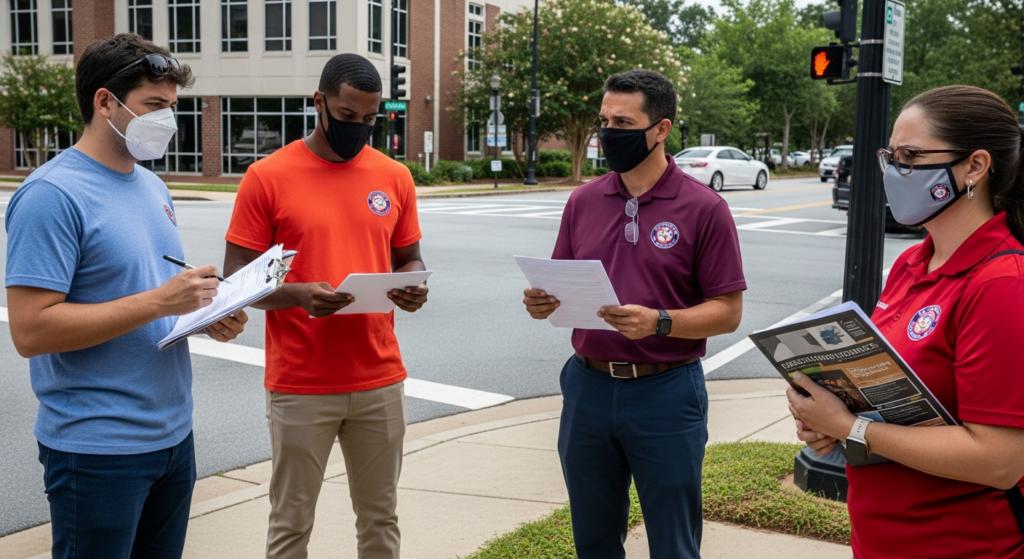
As summer temperatures persist across the region, health officials are reiterating crucial guidance on preventing and responding to heat-related illnesses, a public health concern that claimed 294 lives in the United States in 2023 due to weather-related excessive heat.
The recommendations underscore the serious risks posed by prolonged exposure to high temperatures and aim to equip residents of Clemson with the knowledge to protect themselves and their neighbors.
Understanding Vulnerable Populations
Certain groups face a heightened risk of heat-related illness. Outdoor workers, including those maintaining grounds at Clemson University or engaged in construction projects in areas like Patrick Square, are particularly susceptible. Infants and young children, especially when left in hot vehicles, represent another critical demographic. The elderly, individuals aged 65 and older, are also at significant risk, a concern for communities such as Clemson Downs.
Furthermore, people with pre-existing illnesses, chronic health conditions, or those taking certain medications, as well as individuals who are overweight, must exercise extra caution. Local healthcare providers like Prisma Health Oconee Memorial Hospital and AnMed Health (Clemson campus) often see an increase in heat-related cases during prolonged periods of high temperatures.
Preventive Measures for All Residents
Preventing heat-related illness begins with proactive steps. Using air conditioning is paramount; if a household lacks AC, seeking refuge in public, air-conditioned spaces is advised. Consistent hydration is critical, meaning individuals should drink fluids even before feeling thirsty. Alcoholic beverages should be avoided, as they can contribute to dehydration.
Wearing loose, lightweight clothing and a hat can help regulate body temperature. For those who sweat heavily, replacing lost salt with fruit juice or sports drinks can be beneficial. Limiting outdoor activity, particularly between 11 a.m. and 3 p.m. when the sun is strongest, is a key recommendation. This applies to recreational activities at local spots like Lake Hartwell, Lake Keowee, or W.C. Nettles Park. Applying sunscreen is also important to prevent sunburn, which can impair the body’s ability to cool itself. Pacing physical exertion and taking frequent breaks in cool, shaded areas are essential for anyone engaging in outdoor tasks or exercise.
Beyond individual actions, community vigilance plays a vital role. Checking on elderly, house-bound, or otherwise vulnerable neighbors is a simple yet effective way to prevent serious heat-related incidents. City of Clemson officials encourage residents to look out for one another during hot spells.
Recognizing Heat Exhaustion
Heat exhaustion is a less severe but still serious condition that can precede heat stroke. Symptoms include pale, ashen, or moist skin, often accompanied by muscle cramps. Individuals may experience fatigue, weakness, or general exhaustion. Headaches, dizziness, or fainting spells are also common. Nausea or vomiting can occur, and the heart rate may become rapid. If these symptoms appear, the individual should move to a cooler environment, rest, and rehydrate.
Identifying and Responding to Heat Stroke
Heat stroke is a medical emergency requiring immediate attention. Key signs include a body temperature exceeding 103 degrees Fahrenheit. The skin will typically appear flushed, dry, and hot, with sweating usually having ceased—a critical differentiator from heat exhaustion. Rapid breathing, a severe headache, dizziness, confusion, or other altered mental status are common. In some cases, individuals may exhibit irrational or belligerent behavior, convulsions, or become unresponsive.
Immediate response to suspected heat stroke is crucial. The first step is to call 911 without delay. While waiting for emergency services, move the victim to the coolest possible place. Remove any unnecessary clothing to facilitate cooling. The most effective method for cooling is cold-water immersion, if feasible, or applying cold, wet towels to the skin. Continue cooling efforts until the body temperature drops to 101 degrees Fahrenheit. Throughout this process, monitor the victim’s breathing and be prepared to administer CPR if necessary.
Why it matters in Clemson
The guidance on heat-related illnesses holds particular relevance for Clemson, a community with a significant student population at Clemson University and a diverse resident base, including many active outdoor enthusiasts and a growing senior demographic in neighborhoods like Clemson Downs. With the Seneca River, Lake Hartwell, and numerous parks such as the South Carolina Botanical Garden attracting outdoor activity, understanding heat safety is not just a general health recommendation but a practical necessity for daily life and recreation. Local employers, including Clemson University and the City of Clemson, also have a vested interest in ensuring the safety of their outdoor workforce. Proactive measures and community awareness, supported by local healthcare providers like AnMed Health and Prisma Health, are essential to mitigate risks and ensure the well-being of all who live, work, and study in Clemson.