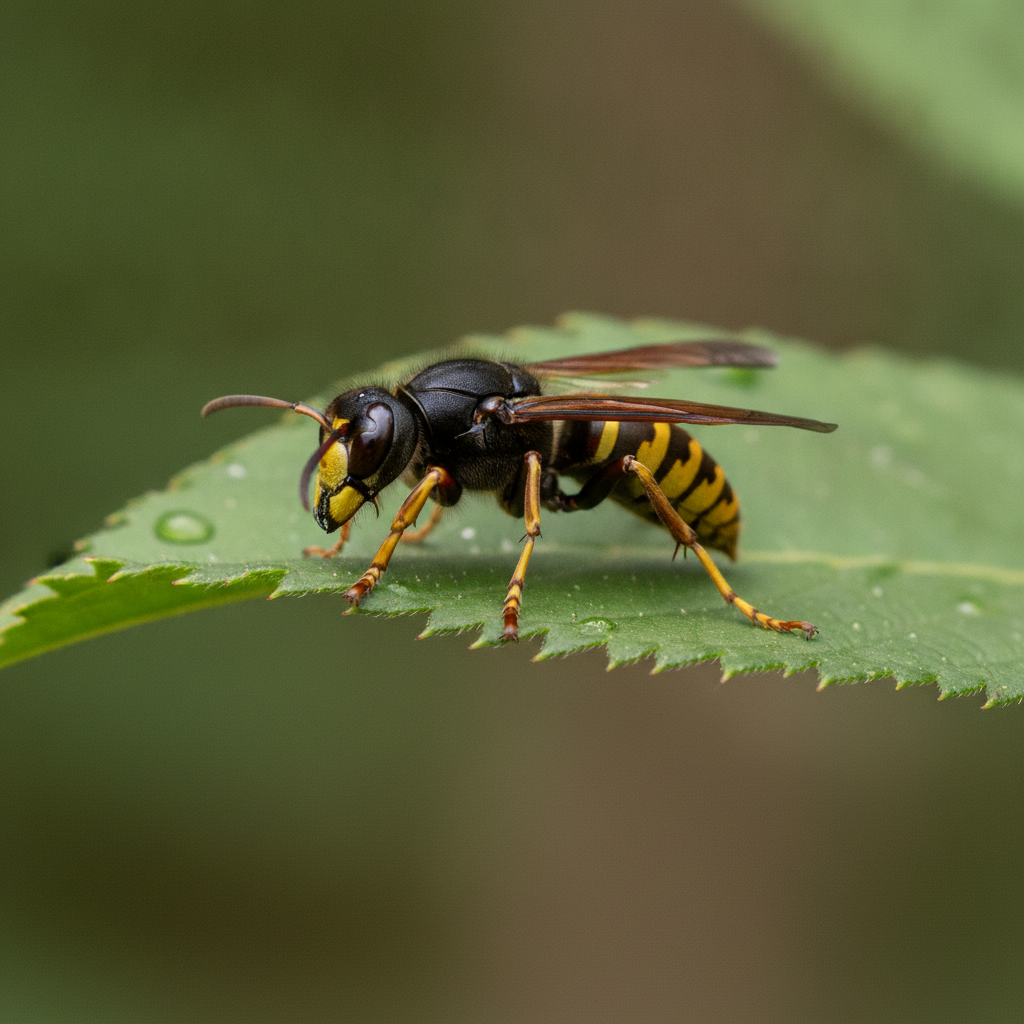
Clemson University officials are asking residents across the Lowcountry to remain vigilant for yellow-legged hornets and their nests. This alert comes as efforts continue to contain the invasive species, which poses a significant threat to local ecosystems and agriculture.
The yellow-legged hornet, an invasive species, was first identified in the United States in Savannah, Georgia, in August 2023. Since then, its presence has been confirmed in South Carolina, raising concerns among environmental specialists and agricultural experts. The hornet is known for its aggressive predation on honeybees and other pollinators, which are crucial for the state’s agricultural economy and natural biodiversity. Clemson University, a major research institution and economic driver in the Upstate, is at the forefront of monitoring and managing this ecological challenge.
These hornets are distinguishable by their dark bodies, yellow bands on their legs, and a prominent yellow segment on their abdomen. They construct large, paper-like nests, often suspended high in trees, but can also be found in sheltered areas like sheds or under eaves. Residents who believe they have spotted a yellow-legged hornet or its nest are urged to report it to the Clemson University Department of Plant Industry. Early detection and reporting are critical for effective containment strategies.
The spread of invasive species like the yellow-legged hornet can have far-reaching consequences, impacting not only local wildlife but also the state’s agricultural sector, which relies heavily on pollinators. Clemson University’s ongoing research and public outreach are vital in mitigating the potential damage this invasive insect could inflict on South Carolina’s environment and economy.