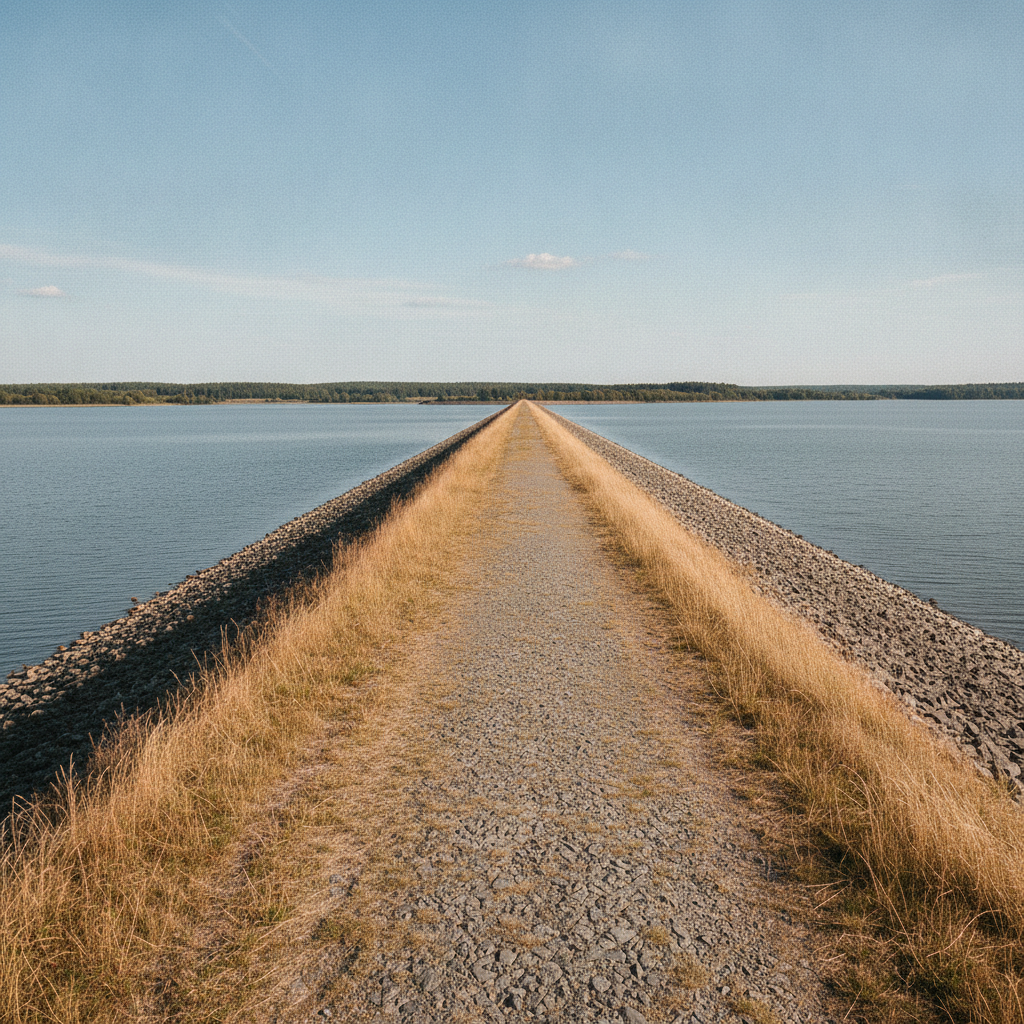
The United States Army Corps of Engineers Savannah District announced last week that it will implement water level restrictions for Lake Hartwell due to concerns about the Clemson Lower Division Saddle Dike. The dike, which protects Clemson University, is at risk of seepage-induced deterioration, a process where water seeping through the structure washes away soil and other particles, weakening it.
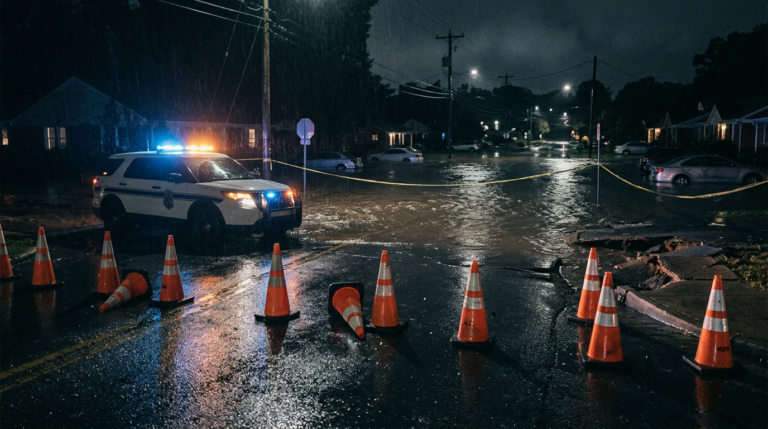
While the Corps stated there is no immediate danger to the public, immediate action is necessary to ensure the dike’s stability and the safety of affected communities. If left unchecked, the deterioration could lead to dike failure, potentially causing flooding and other impacts to Clemson University and surrounding properties within several years.
The plan involves maintaining Lake Hartwell’s maximum water level at no higher than 662 feet above mean sea level. The normal full level, or guide curve, will not exceed 656 feet MSL, creating a buffer for unexpected heavy rainfall and flooding. If water levels approach 662 feet MSL, dam operations will reduce the lake level to 656 feet MSL within seven days, conditions permitting. Currently, the lake is below this guide curve due to drought conditions, so no immediate action to lower the water is required until it reaches the 656-foot threshold.
Clemson University officials confirmed that all university facilities adjacent to Lake Hartwell, including the Snow Family Outdoor Fitness and Wellness Complex, remain open and fully operational, and the lower lake level will not impact university operations. Lake Hartwell is one of the largest lakes in the Southeastern United States, covering nearly 56,000 acres with a 962-mile shoreline.
The Corps plans to conduct a study on potential permanent solutions for the dike, a process expected to take 10 years. Two virtual public meetings will be held to discuss engineering study findings, explain temporary lake level restrictions, and answer public questions. Details regarding these meetings will be released once finalized.