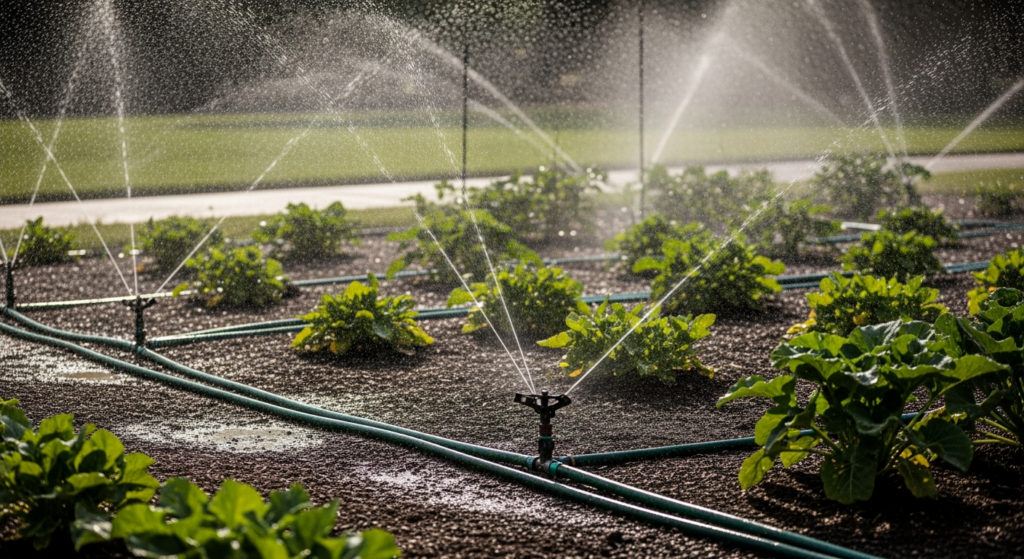
Gardeners across Clemson are refining their plant care routines as the region experiences its typical summer heat. The focus for many is on optimizing watering schedules and implementing strategies to protect plants from the intense sun and elevated temperatures that define July in the Upstate.
Central to current gardening guidance is the timing of irrigation. While a common concern among some gardeners is that watering plants in direct sunlight can scorch foliage, horticultural experts generally advise against midday watering primarily due to efficiency. When water is applied during the hottest parts of the day, a significant portion can evaporate before it reaches the plant’s root zone, leading to wasted resources and less effective hydration. Instead, the consensus points to early morning as the optimal time for watering.
Applying water in the early morning, typically between 5 a.m. and 9 a.m., allows the moisture to penetrate the soil deeply before the sun’s intensity increases evaporation. This timing also gives plants ample opportunity to absorb water and hydrate before facing the stress of the afternoon heat. Watering in the evening, while better than midday, can leave foliage wet overnight, potentially fostering fungal diseases in the humid Clemson climate.
Beyond timing, the method of watering plays a crucial role in plant health. Deep, infrequent watering is generally more beneficial than shallow, frequent applications. Deep watering encourages roots to grow further into the soil, making plants more resilient to dry spells. For established plants, a slow, steady soak at the base of the plant, rather than overhead sprinkling, helps ensure water reaches the root system directly and minimizes water loss to evaporation or runoff. Drip irrigation systems or soaker hoses are particularly effective for this purpose, delivering water precisely where it’s needed.
Reducing overall plant stress is another key component of summer gardening. One of the most effective methods is the application of mulch. A two-to-four-inch layer of organic mulch, such as pine straw, shredded bark, or compost, around plants helps to retain soil moisture, regulate soil temperature, and suppress weeds. This protective layer keeps the soil cooler, reducing the stress on roots during hot days, and lessens the frequency with which gardens need to be watered.
For particularly sensitive plants or newly planted specimens, temporary shade cloths can offer significant relief from the scorching afternoon sun. These cloths can reduce light intensity and temperature, preventing leaf scorch and wilting. Proper plant spacing also contributes to overall plant health, allowing for adequate air circulation and reducing competition for water and nutrients.
Summer maintenance extends beyond watering and shade. Regular monitoring for pests and diseases is crucial, as warm, humid conditions can be conducive to their proliferation. Early detection and intervention can prevent minor issues from escalating. Deadheading spent blooms on flowering plants can encourage new growth and more flowers, while selective pruning can remove diseased or damaged branches, improving air circulation and plant vigor. However, heavy pruning should generally be avoided during the peak of summer, as it can stress plants further.
For residents in neighborhoods like Patrick Square and Calhoun Forest, adapting these practices can help maintain vibrant landscapes despite the challenging conditions. The South Carolina Botanical Garden, located on the campus of Clemson University, serves as a local example of how diverse plant life can thrive with careful management, even showcasing plants well-suited to the Upstate’s climate.
### Why it matters in Clemson
Effective gardening strategies during the summer are vital for maintaining the aesthetic and ecological health of Clemson’s residential areas and public spaces. With Clemson University’s extensive grounds and the city’s commitment to green spaces, the health of local flora contributes significantly to the community’s character. Adopting optimal watering and plant care practices not only conserves water resources, which is important for the Seneca River watershed, but also helps homeowners and institutions like the School District of Pickens County protect their landscaping investments. These efforts ensure that Clemson remains a verdant and attractive place to live and visit, even as the summer heat intensifies.